

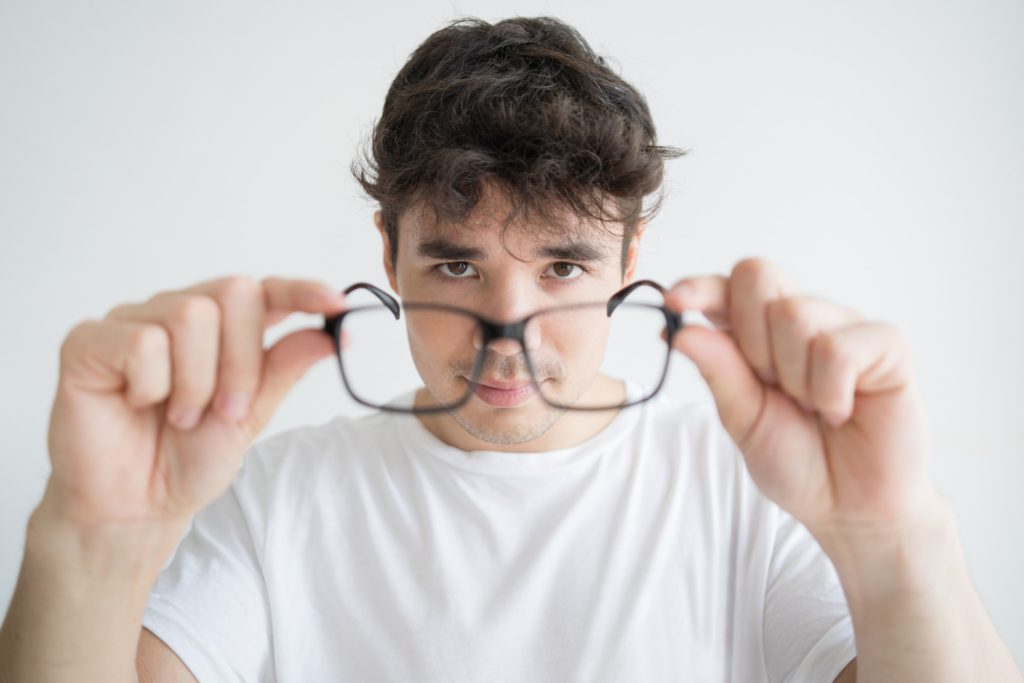
Myopia, or difficulty seeing distant objects clearly, is a common vision problem affecting a large number of people, including children. Although there is no quick method for reducing prescription strength or permanently curing myopia without correcting the refractive error, there are strategies and daily routines that may help maintain and improve visual function, as well as manage this condition more effectively. It is essential to understand the difference between vision correction, which involves using glasses or contact lenses to focus light rays correctly on the retina, and vision improvement, which refers to adopting habits and practices intended to support long-term eye health.
Can vision problems be improved?
The difference between comfort and vision improvement
It is important to distinguish between visual comfort and actual improvement in vision. Glasses or contact lenses correct vision by ensuring clear focusing of images on the retina, but they do not change the structure of the eye or the prescription strength. Visual comfort refers to the feeling of well-being while wearing glasses or contact lenses, as well as the prevention of eye strain or discomfort associated with prolonged use of digital devices or activities requiring near vision. Vision improvement, on the other hand, involves adopting methods and habits that support optimal eye function and may reduce dependence on optical correction. Remember that eye exercises cannot reduce prescription strength, but they may involve adopting methods and habits that support optimal eye function and may reduce dependence on optical correction.
The importance of consulting an ophthalmologist
An eye examination is essential for correctly assessing vision and determining the prescription strength needed for glasses or contact lenses. The ophthalmologist can diagnose other eye conditions, such as astigmatism or hyperopia, which may affect visual clarity. Regular eye examinations are crucial, especially for children, to monitor the progression of myopia and prevent complications. The ophthalmologist can offer personalized advice on eye care, maintaining healthy vision, and choosing the most suitable treatment options.
Types of myopia and their impact on vision
There are different types of myopia, each having a different impact on vision. Simple myopia is the most common form and is easily corrected with glasses or contact lenses. High myopia, on the other hand, is a more severe form that may cause more complex eye problems and requires careful medical monitoring. Myopic astigmatism is a combination of myopia and astigmatism, affecting visual clarity both at a distance and up close. Understanding the specific type of myopia and its impact on vision is crucial for making informed decisions about treatment options and management strategies.
Myopia during the day

Daily routines for eye exercises
Incorporating eye exercises into your daily routine may contribute to improved eye-muscle flexibility and reduced visual fatigue. One such technique is the 20-20-20 rule, which means that every 20 minutes of screen use, you take a 20-second break and look at an object 6 meters (20 feet) away. These exercises do not reduce prescription strength, but may help relax the eyes, prevent visual fatigue, and reduce the sensation of dry eyes, especially if you spend a lot of time in front of digital devices. For personalized recommendations, it is advisable to discuss this with an ophthalmologist, who can suggest suitable eye exercises based on the particular characteristics of your vision.
The role of natural light in improving vision
Exposure to natural light is essential for eye health, especially for children. Studies have shown that spending time outdoors may reduce the risk of developing myopia and may slow its progression. Natural light helps regulate the circadian rhythm and support normal retinal function. Encouraging outdoor activities, such as walks, sports, or games, is recommended to ensure adequate exposure to natural light. If you wear prescription glasses or contact lenses, make sure they have UV protection to prevent the harmful effects of solar radiation on the eyes. It is important to note that although natural light brings significant benefits for eye health, it cannot correct existing refractive errors.
Recommendations for screen use
Prolonged screen use may contribute to eye strain and temporary visual disturbances, such as blurred vision, a sensation of dry eyes, or eye discomfort. To minimize the negative impact of prolonged screen exposure, adjust the screen’s brightness and contrast to reduce eye strain. Maintain an appropriate distance between your eyes and the screen, generally about an arm’s length. Use anti-glare filters on screens to reduce glare and eye strain, and position the monitor slightly below eye level. Take regular breaks to rest your eyes and avoid prolonged concentration on the screen. In addition, make sure the room has adequate lighting to reduce the contrast between the screen and the surrounding environment. If you wear glasses or contact lenses, make sure the prescription is up to date to prevent eye strain. For personalized advice on eye protection during prolonged use of digital devices, it is recommended that you consult an ophthalmologist, who can offer recommendations adapted to your visual needs.
Myopia at night: recommended techniques
Managing night halos and light sensitivity
Night halos and light sensitivity (photophobia) may be common symptoms associated with myopia, astigmatism, or other eye conditions. To manage these problems effectively, make sure you have glasses or contact lenses with the correct prescription and anti-reflective treatment. Avoid looking directly at strong light sources, such as car headlights or bright street lights. Drive carefully at night and take regular breaks to rest your eyes. If night halos and light sensitivity persist or worsen, consult an ophthalmologist for a thorough evaluation. They can rule out other problems and offer solutions adapted to your needs. It is important to note that night halos may sometimes represent temporary side effects of refractive surgical procedures (such as LASIK or PRK), and postoperative monitoring is essential for adjusting treatment and maintaining optimal vision.
Optimizing ambient lighting for night vision
Adequate ambient lighting may contribute significantly to improved night vision and reduced eye strain. Use lamps with warm, diffuse light, which minimize reflections and excessive glare. Adjust the light intensity according to the activity being performed, so that you have enough light to see clearly without overstraining your eyes. Avoid using digital screens before bedtime, because the blue light they emit may disrupt the sleep-wake rhythm and contribute to eye strain. If it is necessary to use screens at night, activate night mode to reduce blue-light emission. For personalized recommendations regarding optimal lighting in workspaces or at home, consult an ophthalmologist, who can provide solutions adapted to individual visual needs.
Impact of fatigue on night vision
Fatigue may significantly affect night vision, worsening halos, light sensitivity, and difficulty focusing. Make sure you get restful sleep of at least 7-8 hours per night to keep your eyes rested and healthy. Avoid consuming alcohol and caffeine before bedtime, as these may interfere with sleep quality and worsen visual fatigue. Take regular breaks during activities requiring prolonged visual concentration, especially at night. If you feel that fatigue is affecting your vision or your ability to drive at night, stop and rest until you feel well enough to continue. In cases of chronic fatigue accompanied by persistent visual disturbances, it is advisable to consult an ophthalmologist, who can evaluate the causes and recommend appropriate measures for maintaining healthy vision.
Signs that you need to review your correction
Symptoms indicating the need for an eye examination
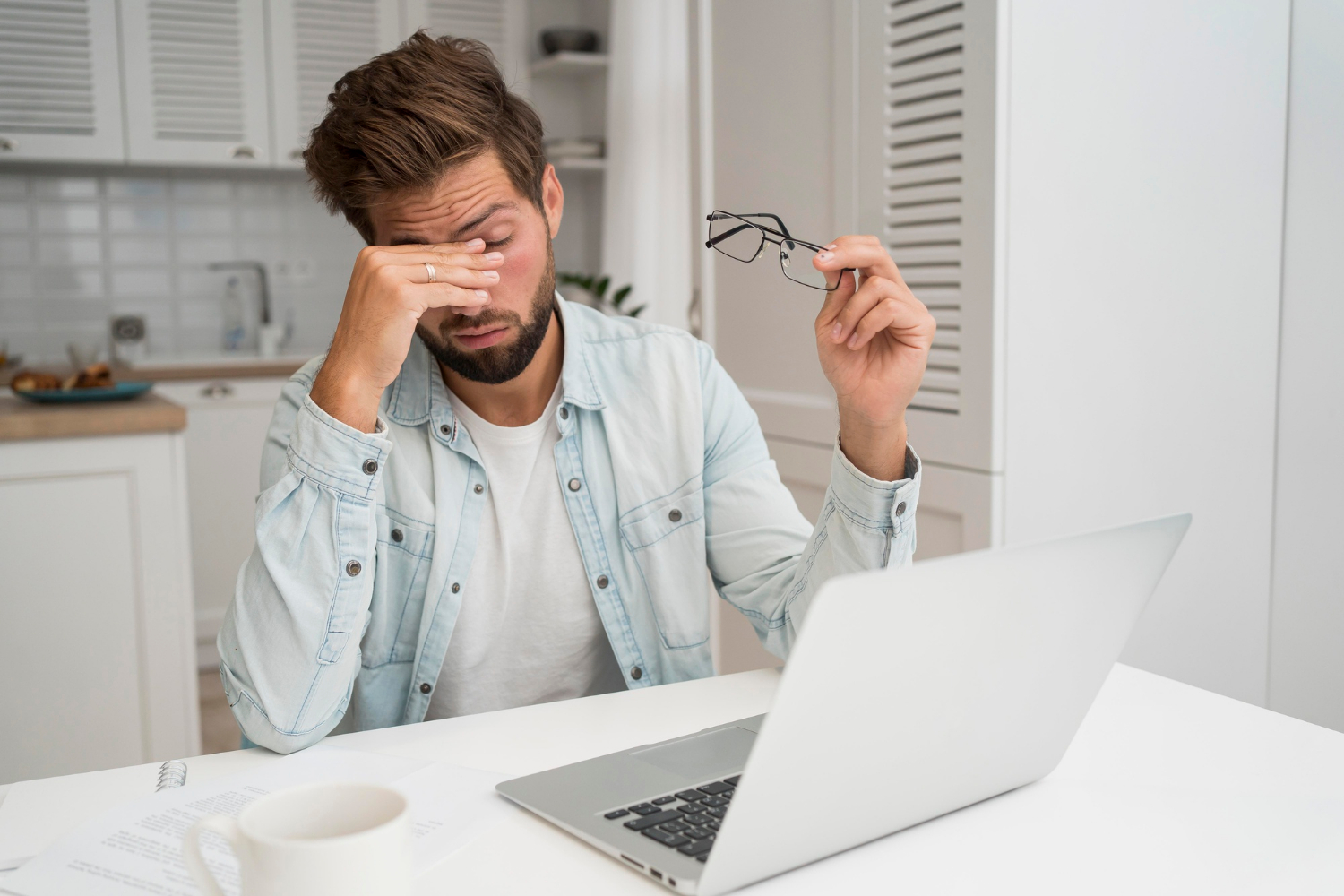
There are certain symptoms that may indicate the need for an eye examination and, possibly, an updated prescription for glasses or contact lenses. Some of these symptoms include:
- blurred vision
- difficulty focusing on distant or nearby objects
- frequent headaches
- excessive eye strain
- increased sensitivity to light
- night halos
- double vision
If you experience any of these symptoms, schedule an eye examination for a complete evaluation of your vision. Do not ignore these signs, as they may indicate changes in prescription strength, the presence of astigmatism, or other eye conditions requiring specific correction or treatment.
Changes in vision according to age
Vision undergoes natural changes with advancing age, which is why periodic adjustment of optical correction may be necessary. After the age of 40, many adults develop presbyopia, a physiological condition that causes a reduced ability to focus on nearby objects. In these cases, reading glasses or multifocal lenses may be necessary. Myopia may continue to progress in adulthood as well, requiring periodic adjustments to prescription strength. Regular eye examinations are essential for monitoring changes in vision and maintaining appropriate optical correction. The ophthalmologist can offer personalized advice on eye care adapted to age-related stages, lifestyle, and individual visual needs.
The importance of periodic reassessment of prescription strength
Periodic reassessment of prescription strength is crucial to ensure appropriate optical correction and prevent unnecessary eye strain. Even if you do not notice significant changes in vision, it is recommended that you have an eye examination at least once every two years, or more often if you wear contact lenses, have a history of eye problems, or have conditions that may influence vision. The ophthalmologist will assess visual acuity, ocular refraction, and the general condition of the eyes, and will adjust the prescription for glasses or contact lenses if necessary. Appropriate optical correction may improve visual comfort, reduce eye strain, and prevent long-term complications. Do not postpone your visit to the ophthalmologist, because your eye health is important.
Frequently asked questions

Can habits reduce prescription strength?
No. Healthy habits, eye exercises, or other alternative methods cannot reduce prescription strength. They may help reduce eye strain and improve visual comfort, but they cannot change the structure of the eyeball or correct an existing refractive error. The only methods of correcting myopia are prescription glasses, contact lenses, or refractive surgery. If you want to explore treatment options, discuss them with an ophthalmologist, who can recommend suitable solutions for your visual needs. The goal is vision correction, not curing myopia.
When should I change my glasses?
You should change your glasses if you notice that your vision is becoming blurred, if you have difficulty focusing, or if you experience headaches or eye strain. It is also important to have regular eye examinations to check whether your prescription is correct and to detect any eye conditions early. The ophthalmologist is best placed to determine whether updating the prescription or adjusting the prescription strength is necessary for clear and comfortable vision.
What causes blurred vision and how does it affect vision?
The cause of blurred vision may range from refractive errors such as myopia, hyperopia, presbyopia, and astigmatism to more serious conditions such as cataracts, glaucoma, or retinal damage. It is important for patients to consult an ophthalmologist to determine the exact cause of their vision problems and receive appropriate treatment. It is also essential that people experiencing changes in vision do not postpone seeing a doctor, because some conditions may progress rapidly and lead to serious complications. Regular eye examinations are recommended, especially for middle-aged and older people, because the risk of eye conditions increases with age.
What eye exercises may help improve vision?
Eye exercises may be useful for relaxing the eye muscles, relieving visual fatigue, and maintaining good focusing ability, but they do not reduce prescription strength. Among the most recommended exercises is the 20-20-20 method, which involves looking at an object 20 feet away (6 meters) for 20 seconds every 20 minutes of computer work. These exercises may contribute to better eye health and may help manage blurred vision.