Interactive Guide to the Components of the Eye
Discover the Fascinating Anatomy of the Eye
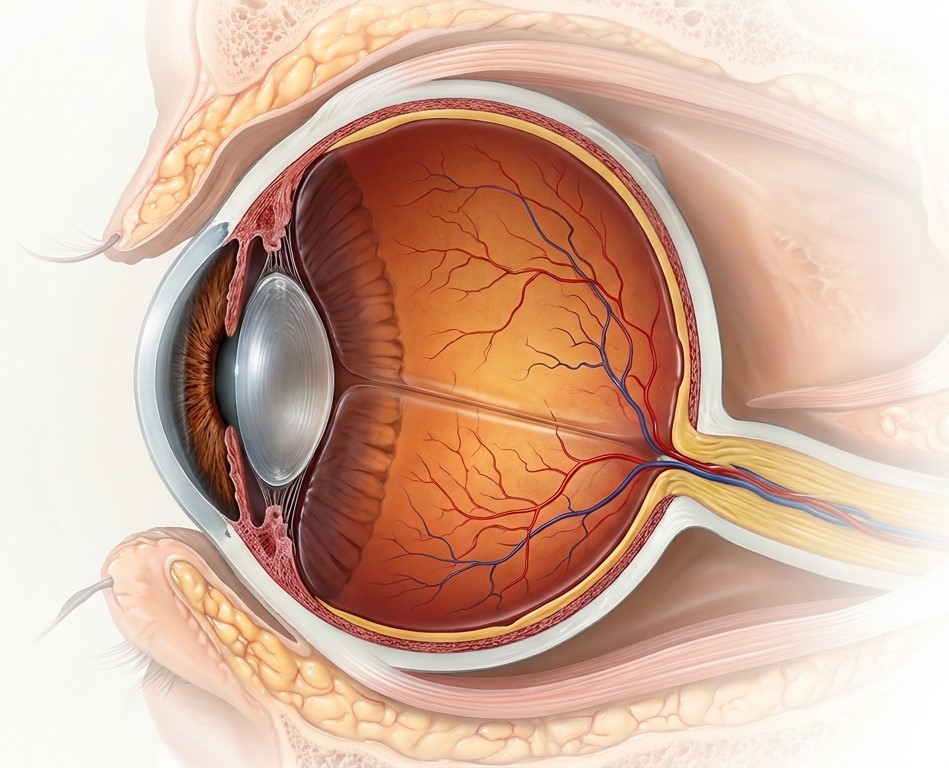
The human eye is one of the most complex and remarkable organs in the body, a true marvel of biological engineering that allows us to perceive the world around us in vivid colors and detail. Understanding it begins with exploring the eye’s main components, each of which plays an essential role in the visual process. From the transparent cornea, which functions as a primary lens, to the light-sensitive retina at the back of the eyeball, every element is perfectly integrated. Studying the anatomy of the eye reveals how these structures work together to capture, focus, and transform light into the visual experience.
An Overview of the Eye
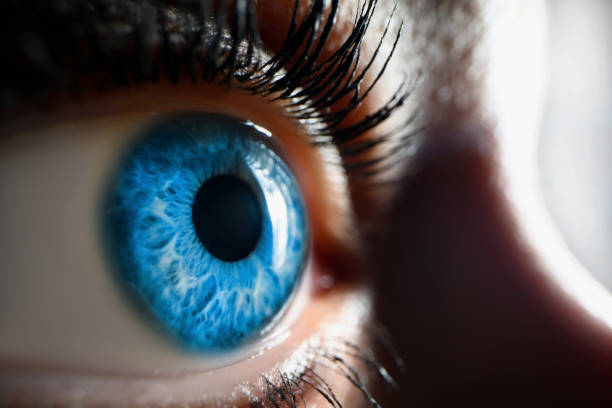
To understand how the eye works, it is useful to know its main components and their functions. Light first enters through the cornea and then through the pupil, whose size is controlled by the iris—the colored part of the eye. Behind the iris is the lens, which changes shape to focus images on the retina. The retina, in turn, is a layer of light-sensitive cells that converts light signals into electrical impulses. These impulses are then transmitted to the brain through the optic nerve, where they are interpreted as the images we see. This complex interaction among the eye’s various components underlies the sense of vision.