

Myopia is a common visual condition that affects millions of people worldwide. In the desire to improve their vision and reduce dependence on glasses or contact lenses, more and more patients are turning to various eye exercises. But how effective are these exercises, and what myths persist around them? This article demystifies the subject, offering clear and practical information to help you make informed decisions about your eye health.
Why ideas about eye exercises arise
The roots of myths related to vision exercises
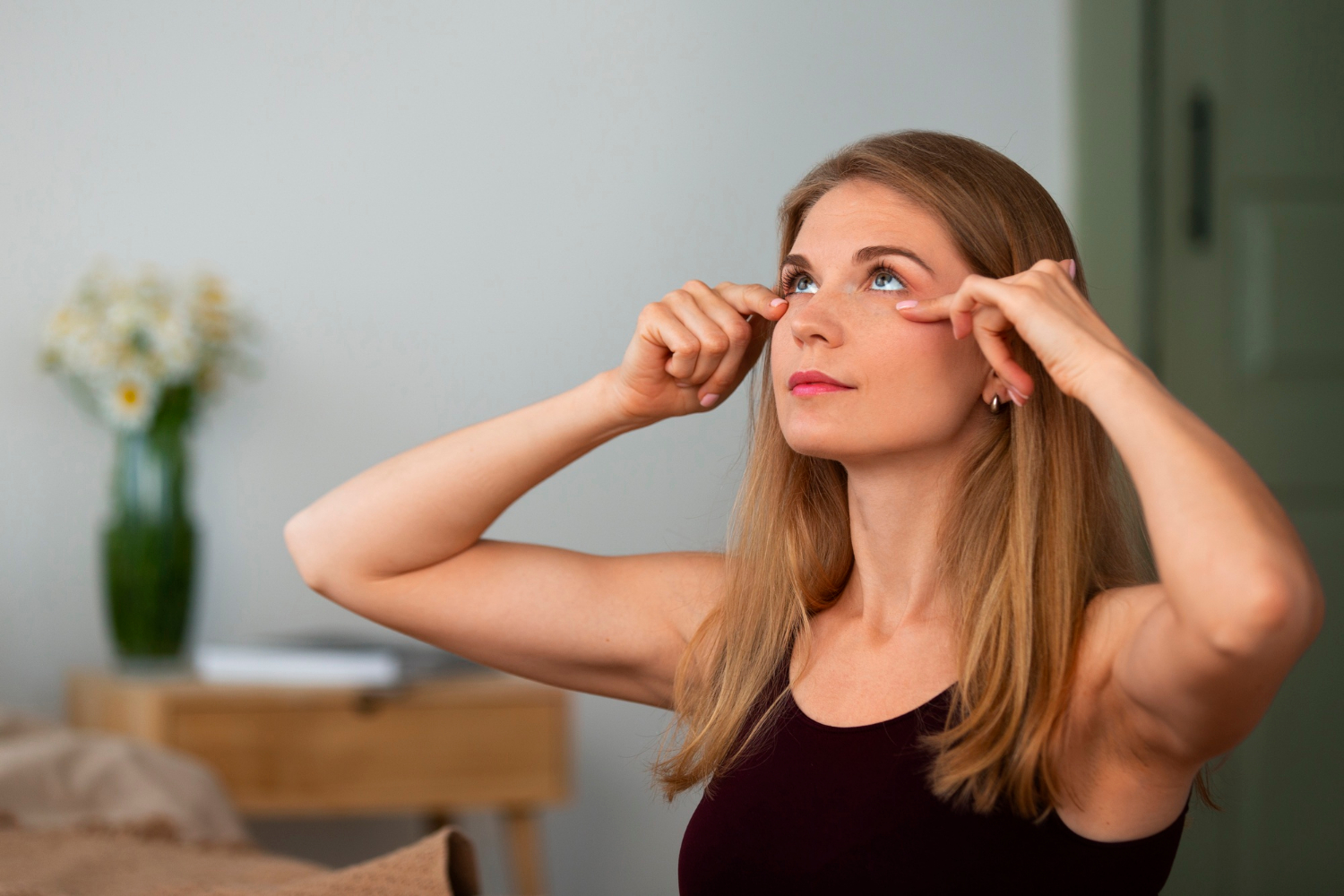
Ideas about exercises to improve vision arose largely from the desire to find simple and natural solutions for vision problems such as myopia. Over time, these ideas became myths, often amplified by a lack of solid scientific evidence and unrealistic promises. Many patients believe that, through regular eye exercises, they can reduce their dependence on glasses or even cure myopia.
Public perception of eye health
Eye health is often underestimated until obvious visual problems appear. Many people take vision for granted, without paying sufficient attention to prevention and care. Thus, when faced with myopia or other eye conditions, patients tend to seek quick and easy solutions, making them more likely to believe in the effectiveness of eye exercises, even when these are not supported by scientific evidence.
The role of information and misinformation
The internet and social networks have facilitated access to an enormous amount of information, but also to misinformation. Many websites and platforms promote eye exercises as a miraculous remedy for myopia, without providing credible medical evidence. It is essential to distinguish between scientifically validated and unfounded information by consulting an ophthalmologist for qualified advice about eye health and available treatment options.
What eye exercises can and cannot do
Effective exercises for improving vision
Although eye exercises cannot correct myopia, some of them may help relieve eye strain and improve the flexibility of the eye muscles. For example, the 20-20-20 rule (every 20 minutes, look at an object 6 meters (20 feet) away for 20 seconds) may help relax the eyes and reduce discomfort caused by prolonged use of digital screens. These exercises do not correct myopia, but they may provide some comfort.
Activities to avoid for eye health
It is important to remember that certain practices should be avoided to maintain eye health. In particular, it is recommended that you avoid:
- Relying exclusively on exercises for correcting myopia, because there is no solid scientific evidence supporting their effectiveness in reducing prescription strength.
- Prolonged exposure to screens without regular breaks and without proper visual hygiene.
- Excessive rubbing of the eyes, which can affect the ocular surface and promote infections.
The importance of a balanced lifestyle should not be neglected either, including a diet rich in antioxidants, adequate hydration, and sufficient sleep—factors that indirectly contribute to maintaining eye health.
The importance of evaluation by an ophthalmologist
It is crucial to consult an ophthalmologist for a complete vision evaluation and to receive a correct diagnosis. The ophthalmologist can determine the degree of myopia and recommend the most suitable correction options, such as glasses, contact lenses or, in certain cases, refractive surgery (such as laser correction). An eye examination is essential to rule out other eye conditions such as glaucoma or macular degeneration, which may have similar initial manifestations.
Eye exercises: The importance of relaxing the eyes

The human eye is a complex organ, and exercises intended to relax it may seem simple, but their effects are often underestimated. Studies show that certain visual-relaxation techniques, such as palming exercises, may help reduce eye tension. This method consists of covering the eyes with the palms for several minutes, allowing them to relax completely. During this time, the eyes are shielded from the blue light emitted by screens, while the area around the eyes benefits from gentle stimulation of blood circulation, contributing to a general feeling of relaxation and well-being.
Healthy eyes through visual-coordination exercises
An aspect that is often overlooked is that not all eye exercises are intended to directly improve vision. In fact, some exercises are designed to improve coordination between the eyes and brain, contributing to faster and more efficient visual perception. These exercises may include following moving objects or alternating one’s gaze between nearby and distant objects. This practice not only helps maintain eye health, but may also improve the brain’s rapid reactions, making it more responsive in various situations.
Eye exercises and their impact on visual conditions
Many people do not realize that exercises for myopia may have a positive impact on eye conditions. Performing eye exercises helps strengthen the eye muscles, thereby preventing eye strain caused by prolonged computer work. Through this type of activity, symptoms of dry and irritated eyes, often associated with excessive use of electronic devices, may be reduced. Therefore, regularly practicing short relaxation-exercise sessions may improve ocular tone and provide additional visual comfort throughout the day.
Eye exercises: Less-known techniques
Some people consider eye exercises merely a way to improve vision, but there are less-known techniques that contribute to general relaxation and reduce visual stress. For example, breathing exercises combined with slow eye movements may help release tension in the eye muscles and induce a state of calm. These exercises may include closing the eyes and focusing on breathing while making gentle circular eye movements. Regular practice not only supports eye health, but also contributes to improved general well-being.
Ophthalmologists recommend eye exercises
Although many people do not consider them essential, ophthalmologists maintain that eye exercises play an important role in maintaining eye health and preventing eye strain. For example, focusing exercises may help relax eye muscles strained by prolonged reading or extended computer use. These exercises involve alternating one’s gaze between a distant object and a nearby one, thereby stimulating the eyes’ accommodative flexibility. Therefore, incorporating these techniques into a daily routine may bring significant benefits for long-term visual comfort and eye health.
- The “Palming” exercise – cover your eyes with your palms, without applying pressure, and focus on your breathing for 5 minutes to relax the eye muscles.
- The “Alternating Focus” exercise – look at a distant object for 10 seconds, then shift your gaze to a nearby object, repeating this cycle 5 times to improve ocular flexibility.
- The “Eye Rotation” exercise – rotate your eyes 10 times clockwise and then 10 times counterclockwise to stimulate blood circulation in the eye area and reduce the sensation of tension.
- The “Blinking” exercise (Conscious Blinking) – perform 10 rapid blinks, followed by one slow blink lasting 5 seconds, to maintain ocular moisture and reduce fatigue.
- The “Panoramic Vision” exercise – sit in a quiet place and observe a broad scene, focusing on details in the periphery to improve peripheral perception.
Myopia progression: Signs that warrant an ophthalmologist visit

Signs indicating the need for an evaluation
If you notice deteriorating vision, difficulty focusing, frequent headaches, or persistent eye strain, it is important to consult an ophthalmologist. These symptoms may be the first signs of a change in visual acuity or of an eye condition requiring specialist attention. Other signs that should concern you include:
- Blurred or fluctuating vision
- Difficulty adapting to night vision
- The appearance of spots, bright spots, or shadows in the visual field
These symptoms may indicate progression of myopia or may be associated with other eye disorders requiring early diagnosis and treatment.
Impact of myopia on eye health
Severe myopia may increase the risk of developing other eye conditions, such as retinal detachment, glaucoma, and cataracts. Therefore, it is important to monitor your eye health regularly and follow the ophthalmologist’s recommendations. Adequate correction of myopia (glasses, contact lenses or, in certain cases, refractive surgery) may reduce eye strain and prevent long-term complications affecting visual health.
What to expect from an eye examination
During an eye examination, the ophthalmologist will perform a series of standardized tests to assess visual acuity, ocular refraction, and the general health of the eyes. You will discuss your medical history and the symptoms you are experiencing. The doctor will explain the available correction or treatment options and help you make an informed decision about caring for your vision. Do not hesitate to ask questions or request clarification—open communication with the doctor is essential for optimal eye care.
Validated alternatives for eye health

Non-invasive options for improving vision
In addition to eye exercises, there are medically validated, non-invasive alternatives that contribute to improved vision and greater visual comfort. Glasses and contact lenses remain the most common and effective methods of correcting myopia, ensuring clear focus and reducing eye strain. Visual-relaxation techniques and conscious blinking may help relieve visual discomfort associated with prolonged use of digital devices. Consult an ophthalmologist to determine the most suitable correction option for you.
Surgical interventions for myopia
Laser procedures are surgical options for the permanent correction of myopia, but eligibility depends on specific criteria. LASIK (Laser-Assisted In Situ Keratomileusis) and PRK (Photorefractive Keratectomy) are procedures that reshape the cornea to improve the focusing of light on the retina, thereby correcting myopia. Before making a decision, discuss the risks and benefits of these interventions with your ophthalmologist and make sure that you are a suitable candidate. Information about specialized centers and costs can be obtained, for example, in Bucharest, Cluj-Napoca, or university centers, where ophthalmology clinics accredited for this type of intervention exist.
The importance of visual hygiene in everyday life
Visual hygiene plays a crucial role in maintaining eye health and preventing eye conditions. Adopt healthy habits, such as following the 20-20-20 rule (every 20 minutes, look at an object 6 meters away for 20 seconds), ensure that you have adequate lighting when reading or working at a computer, and avoid excessive rubbing of the eyes. These simple measures may help reduce eye strain and maintain healthy vision.
Eye exercises – Frequently asked questions
Can eye exercises reduce prescription strength?
No, eye exercises do not reduce prescription strength in myopia. They may contribute to eye relaxation and improved visual comfort, but they cannot change the anatomical structure of the eyeball and therefore cannot eliminate the need for glasses or contact lenses. Myopia is corrected through scientifically validated methods such as prescription glasses, contact lenses, or laser surgery (LASIK, PRK), all recommended following a complete evaluation by an ophthalmologist.
When should I see a specialist?
It is important to see an ophthalmologist if you notice any change in your vision, such as blurred vision, difficulty focusing, frequent headaches, or persistent eye strain. It is also important to have regular eye examinations, especially if you have a family history of eye conditions or already wear glasses or contact lenses. A complete eye examination allows potential problems to be detected early and complications that could affect long-term visual health to be prevented.
What types of exercises are recommended for eye health?
For general eye health, exercises aimed at relaxing the eyes and reducing eye strain are recommended. The 20-20-20 rule is a simple and effective eye exercise. You may also practice conscious blinking to keep the ocular surface hydrated and perform gentle eye movements to improve the flexibility of the eye muscles. Although these exercises do not correct myopia, they contribute to better visual hygiene and may reduce discomfort caused by visually demanding activities, such as prolonged screen work or reading.