Myopia: What It Is, Symptoms, Treatment, and Prevention
Myopia is a common condition that causes blurred distance vision because images are focused in front of the retina. It can be effectively corrected with glasses, contact lenses, or refractive surgery. To slow its progression, especially in children, spending time outdoors and having regular eye examinations are recommended.
What Is Myopia?
Myopia is a vision defect that affects the ability to see distant objects clearly.
It is measured in negative diopters (-1, -2, -3, etc.); the higher the value, the more severe the defect.
For example, a person with -4 diopters may be able to focus clearly only on objects about 25 cm away.
What Causes It?
The most common cause of myopia is elongation of the eyeball, which causes the image to form in front of the retina rather than on it, as it does in a normal (emmetropic) eye.
Myopia may also be caused by an increased curvature of the cornea or abnormalities of the lens.
Classification of Myopia
- Mild myopia: up to -4 diopters
- Moderate myopia: between -4 and -8 diopters
- High myopia: over -8 diopters
Myopia can be:
- physiological – stable, common, and easy to correct
- pathological (degenerative) – progressive and associated with retinal risks
Monitoring Is Essential
Although myopia is not a disease in itself, moderate and high myopia can lead to:
- macular degeneration,
- retinal detachment,
- thinning of the choroid or other eye complications.
For this reason, regular eye examinations are essential, especially examination of the back of the eye (the retina and optic nerve).
Correction Methods
Myopia can be corrected with:
- glasses with diverging (concave) lenses
- contact lenses
- refractive surgery (e.g., LASIK, PRK), which reshapes the cornea to improve focusing
Nutrition and Prevention for Myopia
A balanced diet may contribute to eye health and to preventing and slowing the progression of myopia:
- Vitamin A – maintains retinal health (found in carrots, sweet potatoes, and liver)
- Lutein and zeaxanthin – antioxidants that protect the retina (spinach, kale, and eggs)
- Vitamins C and E – counter oxidative stress (berries, citrus fruits, nuts, and seeds)
- Zinc – helps the retina function properly (lean meat, legumes, and seeds)
- Omega-3 fatty acids – support the integrity of the retina and tear film (oily fish such as salmon and sardines)
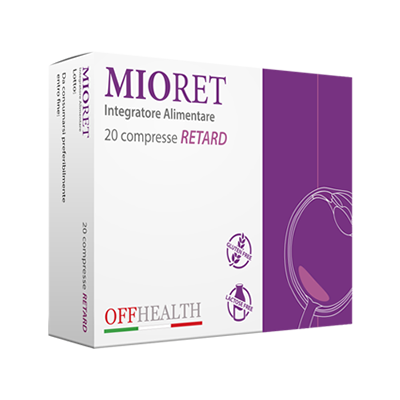
- Blueberry anthocyanosides have an antioxidant effect and support retinal microcirculation. In myopia, they may help protect the retina and prevent associated complications. Blueberry anthocyanosides.
Preventing Myopia – Healthy Habits
Managing screen exposure – limit prolonged time spent in front of devices.
- The 20-20-20 rule – every 20 minutes, look at an object 20 feet away (~6 metres) for 20 seconds.
- Natural light – spending at least 1–2 hours a day outdoors is associated with a lower risk of myopia in children.
- Correct reading posture – the recommended distance is ~30–40 cm.
- Regular eye examinations – even in the absence of symptoms.
Conclusion
Myopia is a common, correctable, and manageable refractive error.
Through a combination of optical correction, a balanced lifestyle, good nutrition, and regular monitoring, people with myopia can maintain stable vision and a good quality of life.