

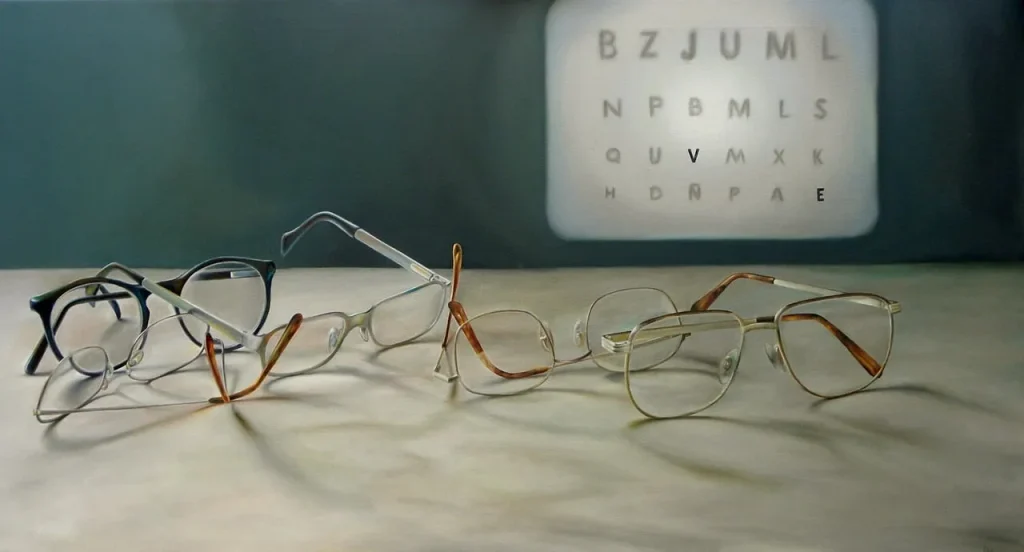
Myopia, a common vision problem, affects the ability to see clearly at a distance. In this article, we will explore what myopia means, how it is diagnosed, its degrees, and what options exist to correct vision. It is important to remember that, although myopia can be corrected, it cannot be permanently cured with current methods.
What is myopia and how does it affect distance vision

Myopia is a refractive error of the eye, meaning that light rays focus in front of the retina rather than directly on it. This makes distance vision unclear, while near vision usually remains clear. A person with myopia often needs prescription glasses or contact lenses to correct vision. To determine whether you have myopia, an ophthalmological examination is essential.
Why “minus diopters”: a simple explanation
Minus diopters indicate the degree of myopia. The greater the number of diopters (for example, −3.00 diopters), the more severe the myopia and the stronger the lenses required for correction. In practice, these lenses help focus light rays correctly on the retina. The ophthalmologist determines the exact diopters needed following a complete eye examination.
Distance versus near vision: what you notice in real life
In real life, myopia manifests as difficulty seeing road signs, the board at school, or people’s faces clearly from a distance. In contrast, activities requiring near vision, such as reading or working at a computer, are not affected. This difference between distance and near vision is an important clue in diagnosing myopia. If you notice these symptoms, schedule an ophthalmological evaluation.
Degrees of myopia: classification and impact on quality of life

Myopia is classified according to severity, measured in diopters. This classification helps the ophthalmologist determine the appropriate treatment plan. It is important to understand that, regardless of the degree of myopia, optical correction is essential for maintaining a good quality of life. An ophthalmological examination is necessary to find out the exact degree of your myopia.
Low, moderate, high/severe: brief definitions
Low myopia usually ranges from −0.50 to −3.00 diopters, moderate myopia from −3.00 to −6.00 diopters, while high or severe myopia exceeds −6.00 diopters. The higher the degree of myopia, the more affected distance vision is and the stronger optical correction it requires. Correction does not mean cure, but only improved vision.
How myopia affects daily activities
Myopia can significantly affect daily activities. When driving, blurred distance vision may compromise safety. At school, children with myopia may have difficulty seeing the board. Even working on a PC can become tiring because of the extra effort required to focus. Glasses or contact lenses can significantly improve performance in these activities.
When does myopia become dangerous?
Pathological or degenerative myopia is a severe form of myopia that can lead to serious complications, such as retinal detachment or glaucoma. It is suspected when myopia progresses rapidly or is associated with other eye problems. A family history of high myopia also increases the risk. Regular ophthalmological monitoring is crucial in these cases.
Signs and symptoms: when to schedule an examination
Myopia in adults: common signs and frequent mistakes
In adults, signs of myopia include difficulty driving, especially at night, or reading road signs. Prolonged screen work can lead to eye strain and headaches. It is crucial not to ignore these symptoms, because myopia progression can significantly affect quality of life. If you notice these problems, an ophthalmological examination is essential for an accurate diagnosis and correction with glasses or contact lenses.
Myopia in children and adolescents: signs at home and at school
In children and adolescents, myopia may manifest as difficulty seeing the board at school, a tendency to sit very close to the television, or squinting to see clearly. Declining school performance may also be an indicator. Myopia progression in children can be rapid, so it is important for parents to watch for these signs and schedule regular ophthalmological examinations. Correction with glasses is essential to ensure clear vision and prevent additional eye strain.
When myopia becomes an emergency
Although myopia rarely requires emergency care, certain symptoms require immediate attention. The sudden appearance of flashes of light, a sudden appearance of black spots in the visual field, or a sudden decrease in vision may indicate serious problems, such as retinal detachment. In these cases, it is crucial to consult an ophthalmologist immediately to prevent severe complications. Ignoring these signs may lead to permanent vision loss.
Correct diagnosis: from screening to refraction

How myopia is correctly measured: screening tests and subjective refraction or cycloplegia
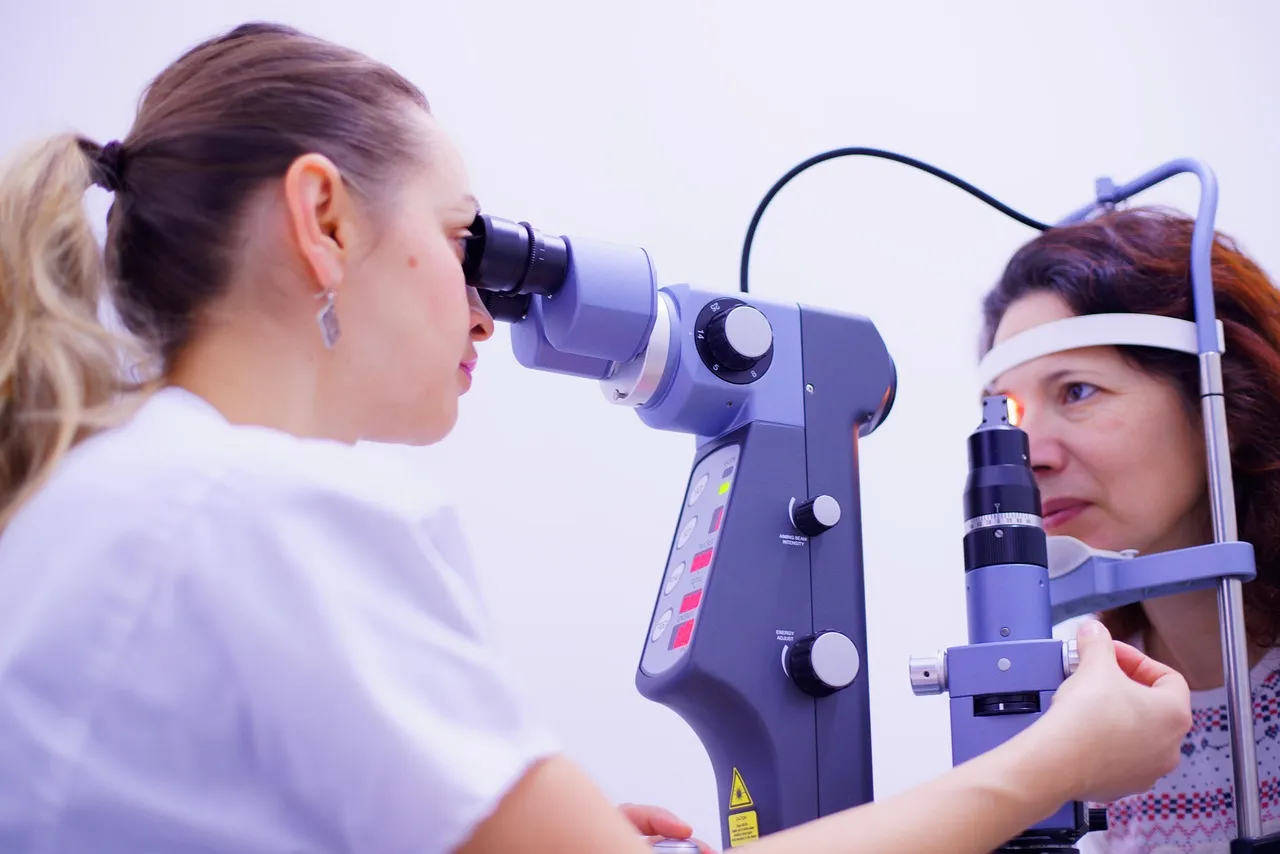
A complete ophthalmological examination is necessary for an accurate diagnosis of myopia. Screening tests may provide only an estimate of the diopters, but subjective refraction performed by the ophthalmologist establishes the necessary correction precisely.
In children, cycloplegia is often used—administration of drops that relax the eye muscles—to obtain an exact measurement of myopia. This method ensures a correct prescription for glasses or contact lenses.
The glasses prescription explained for everyone: sphere, cylinder, and axis
The glasses prescription includes three main components: the sphere, cylinder, and axis. The sphere indicates the degree of myopia (with minus) or hyperopia (with plus). The cylinder and axis correct astigmatism, another common vision problem. Understanding these terms helps you better understand the correction you need. To interpret the prescription correctly, consult the ophthalmologist. Remember that the prescription indicates only the necessary correction; it does not treat myopia.
How often vision should be reassessed
Periodic reassessment of vision is essential, especially in children and adolescents, because myopia may progress rapidly during growth. Usually, an examination every 6–12 months is recommended for people with myopia, but in cases of severe myopia or rapid progression, the doctor may suggest more frequent examinations. Regular monitoring helps adjust optical correction and prevent complications
Myopia correction options: glasses, lenses, or surgery
Glasses: when and why refractive indices and anti-reflective treatment matter
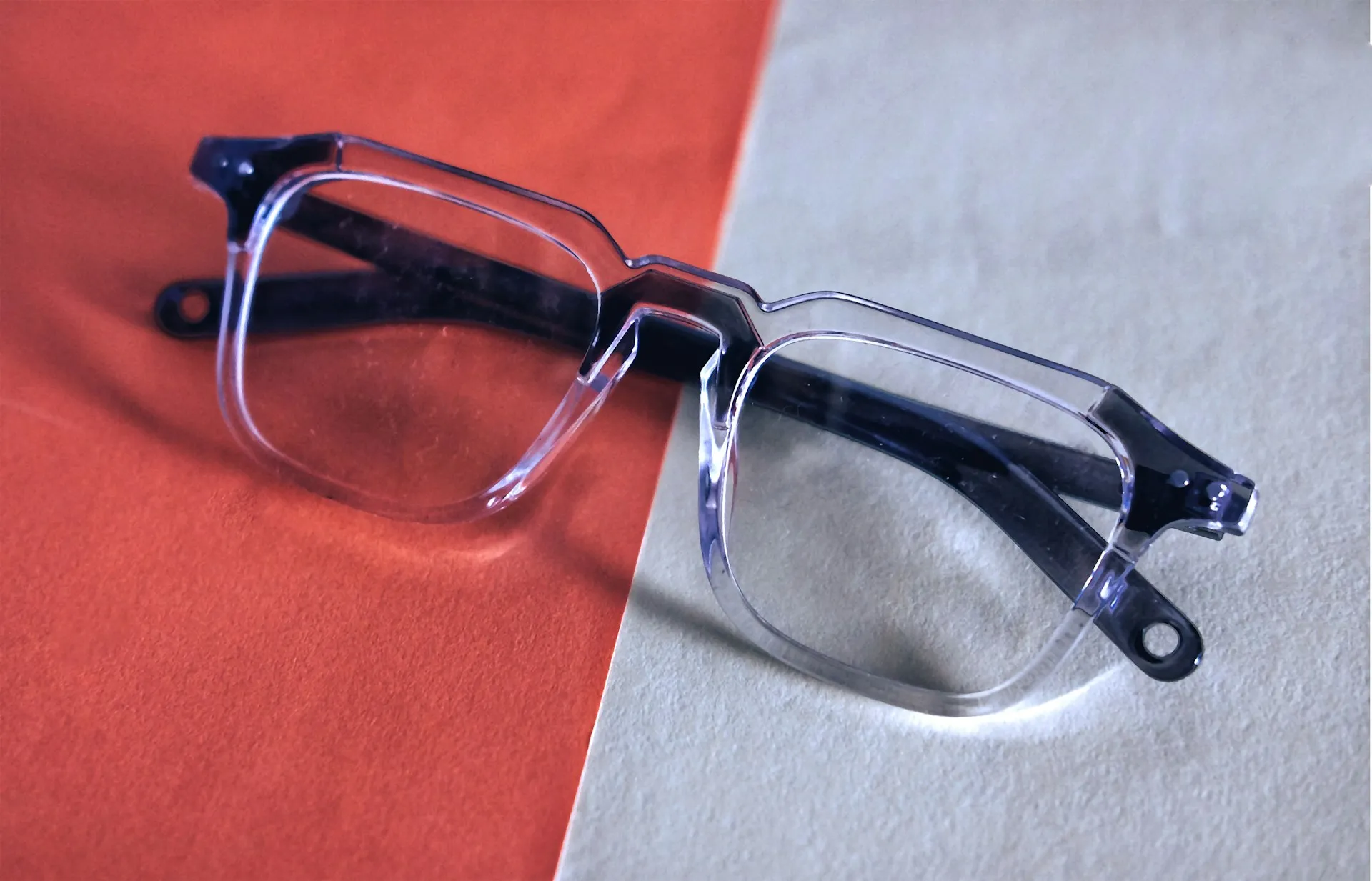
Glasses are the simplest and safest method of correcting myopia.
- The refractive index affects the thickness and weight of lenses: the higher the diopters, the more important it is to choose high-index, thinner lenses for a more pleasing appearance and greater comfort.
- Anti-reflective treatment reduces bothersome reflections and improves visual clarity, being especially useful when driving at night or working at a computer. Wearing glasses is a safe and effective method of correcting distance vision.
Choosing the right glasses gives you not only clear vision but also greater comfort and protection during daily activities.
Contact lenses: types and hygiene—basic points
Contact lenses offer an alternative to glasses, correcting vision directly on the surface of the eye. There are various types of contact lenses, including soft lenses, rigid gas-permeable lenses, and disposable lenses. Strict hygiene is essential to prevent eye infections. Use cleaning solutions recommended by the ophthalmologist and follow the wearing schedule. Never rinse them with tap water and do not sleep in the lenses unless they are specially designed for that purpose. Consult the ophthalmologist to determine the appropriate lens type and for instructions on use.
Refractive surgery for myopia: when it is an option
Refractive surgery, such as LASIK, PRK, or SMILE, can permanently correct myopia by reshaping the cornea with a laser. Eligibility for these procedures depends on factors such as corneal thickness, degree of myopia, and overall eye health. It is important to discuss the risks and benefits of each procedure with the ophthalmologist to determine whether you are a suitable candidate. Refractive surgery is not a universally applicable treatment method and requires careful evaluation.
Children versus adults: progression control and follow-up

Myopia in children and adolescents: validated treatment options
In children and adolescents, myopia progression is a major concern. Cycloplegia, used during the ophthalmological examination, helps measure diopters more precisely. Validated options for controlling myopia progression include special glasses, orthokeratology contact lenses, and 0.01% atropine drops. These methods may slow myopia progression but require regular ophthalmological monitoring. Discuss the most suitable option for your child with the ophthalmologist.
Myopia in adults: when it is stable and when new correction is needed
In adults, myopia tends to stabilize, but in some cases it may continue to progress. Adjustment of optical correction (glasses or contact lenses) is necessary when symptoms such as blurred distance vision or eye strain appear. Periodic reassessment of vision is important to maintain optimal correction. If you notice a change in vision, consult the ophthalmologist for a new prescription.
Healthy eye habits: breaks, distance, and proper lighting
Adopting healthy habits may help maintain eye health and reduce visual strain. Regular breaks during computer work, maintaining an appropriate distance from the screen, and ensuring adequate lighting are essential. These simple measures can prevent eye strain and reduce the risk of myopia progression. Remember that these habits do not treat myopia but may improve visual comfort.
Quick decisions in everyday situations

Driving day and night: why the correct prescription and periodic evaluation matter
For people who drive frequently, clear vision is essential for safety. Make sure your glasses or contact-lens prescription is up to date, especially if you drive at night or in difficult conditions. Halos and visual fatigue may be signs of inadequate correction. Follow the legal requirements for a driving licence and consult the ophthalmologist for periodic evaluation.
Computer and office work: intermediate-vision clarity and preventing eye strain
Prolonged PC work can lead to eye strain and blurred vision. Make sure you have suitable correction for the intermediate distance needed to see the screen clearly. Regular breaks and eye-relaxation exercises may reduce fatigue. Special computer lenses may also improve visual comfort. If you frequently experience eye strain, consult the ophthalmologist.
School and sports: when correction is enough and when more is needed
For children and adolescents, appropriate correction of myopia is essential for school performance and sports activities. Make sure glasses or contact lenses provide clear distance vision. In some cases, special sports lenses may be needed. If myopia progresses rapidly, discuss progression-control options with the ophthalmologist. Clear vision is crucial for academic and athletic success.
Ask the pharmacist

Useful questions for the first discussion
During the first discussion with the pharmacist, it is important to clarify your specific needs. Explain the symptoms you are experiencing, such as difficulty seeing at a distance or eye strain.
Supplements for eye health: their role and limitations
Dietary supplements for vision may play a beneficial role in maintaining eye health, but it is crucial to understand their limitations. These supplements may contribute to blood circulation in the eyes, support retinal function, and protect the eyes against oxidative stress. However, they cannot correct myopia or cure other eye conditions. Use supplements as an adjunct, not as a replacement for an ophthalmological examination and appropriate optical correction.
Frequently asked questions about myopia

How does myopia progress?
Myopia progresses differently from one person to another and is influenced by environmental and genetic factors. It usually begins in childhood or adolescence and may progress into young adulthood. In children, myopia progression tends to be faster, requiring frequent prescription adjustments. In adults, myopia may stabilize, but in some cases it continues to advance. Regular ophthalmological examinations are essential to monitor myopia and adjust optical correction, ensuring clear and comfortable vision in the long term. For a personalized evaluation, schedule an examination with an ophthalmologist.
How do I recognize myopia early?
Recognizing myopia early involves paying attention to certain symptoms. Difficulty seeing distant objects clearly, such as road signs or the school board, is a common sign. Children may squint frequently or sit very close to the television. Headaches and eye strain after activities requiring distance vision may also indicate myopia. If you notice these symptoms, schedule an ophthalmological examination for an accurate diagnosis.
How can I prevent myopia progression in my child?
Myopia progression in children may be influenced by genetic and environmental factors. Spending time outdoors, reducing time spent in front of screens, and ensuring adequate lighting while reading may help slow myopia progression. There are also special lenses and ophthalmological treatment methods that the ophthalmologist may recommend to control myopia progression. Regular ophthalmological examination is essential for monitoring and managing myopia in children.
For a personalized evaluation and a prescription adapted to your needs, we invite you to schedule an ophthalmological examination. Discover suitable correction options for an active lifestyle and clear vision!
At what interval should I repeat the examination?
The recommended interval for repeating an ophthalmological examination depends on age and eye health. Children and adolescents, in whom myopia may progress rapidly, should have an examination every 6–12 months. Adults may repeat the examination every 1–2 years, or more often if pre-existing eye conditions are present or new symptoms appear. Following this schedule helps monitor distance vision and adjust optical correction.
What correction options are suitable to start with?
For initial correction of myopia, the most common options are glasses and contact lenses. Glasses are a simple, non-invasive option, ideal for activities such as reading or driving. Contact lenses provide more natural vision and are preferred by people who play sports or want a different aesthetic. Discuss with the ophthalmologist which option best suits your needs and lifestyle.
What do minus diopters mean?
Minus diopters indicate the degree of myopia and the corrective power needed to focus light rays correctly on the retina. A negative value (for example, −2.00 diopters) shows that the myopic eye focuses the image in front of the retina, causing blurred distance vision. Lenses with minus diopters help correct this focusing, allowing clear vision. The ophthalmologist determines the necessary diopters following a complete eye examination.
What does 1 diopter mean?
A diopter is the unit of measurement used by ophthalmologists to express the degree of myopia, hyperopia, or astigmatism.
If you have −1 diopter (mild myopia):
- you see well up close, but distant objects appear slightly blurred (e.g. road signs, writing on the board);
- correction with glasses or lenses is not obligatory all the time, but is useful when driving, at school, or at the cinema.
If you have +1 diopter (mild hyperopia):
- you may see well at a distance, but near visual effort (reading, computer work) may lead to eye strain or headaches;
- usually, in young adults, the eye compensates, but after a certain age correction becomes necessary.
Thus, 1 diopter means a small refractive error that can be easily corrected with glasses or contact lenses, depending on needs.
An ophthalmological examination is necessary to determine the exact correction needed and rule out other eye problems.
Is myopia cured or only corrected?
At present, there are no methods to completely cure myopia. Glasses, contact lenses, and refractive surgery (LASIK) are correction methods that improve distance vision but do not change the structure of the eye. Optical correction allows people with myopia to see clearly, but myopia remains a permanent condition. Consult the ophthalmologist to discuss suitable correction options.
For a personalized evaluation and a prescription adapted to your needs, we invite you to schedule an ophthalmological examination. Discover suitable correction options for an active lifestyle and clear vision!
Is it possible to get rid of myopia?
Although various methods of correcting myopia exist, such as glasses, contact lenses, and refractive surgery (LASIK), there is no method to completely cure myopia. These methods help correct vision so that you can see clearly without needing to squint or move closer to objects. However, the structure of the eye remains the same. Consult an ophthalmologist to discuss the correction options suitable for you.