

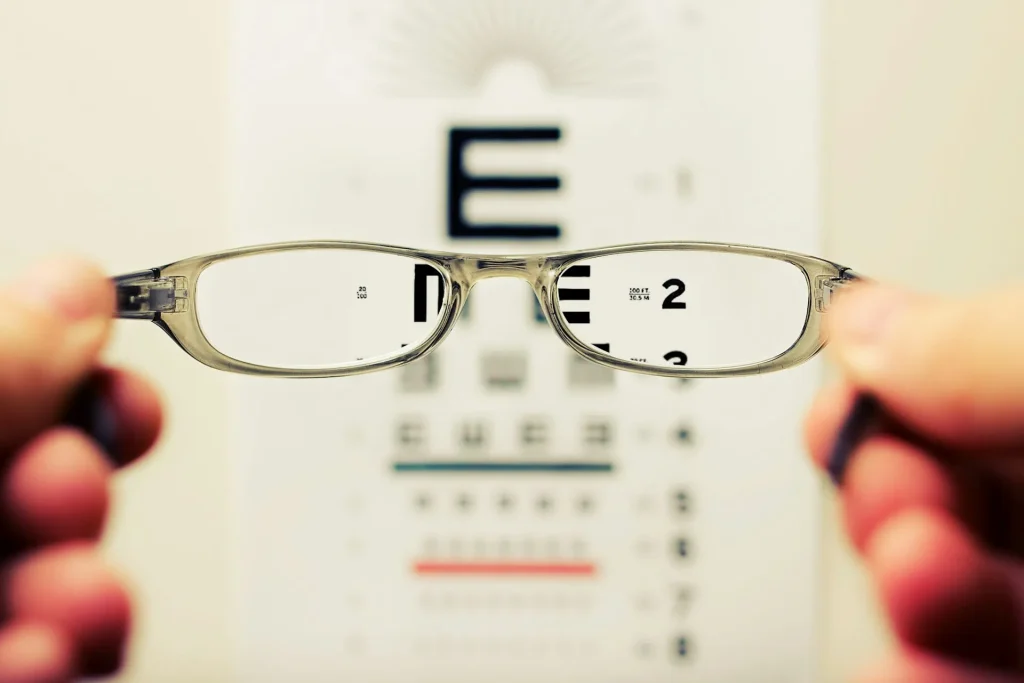
Understanding diopters is essential for effectively managing myopia. This guide will help you correctly interpret a prescription for glasses or contact lenses, providing clear information about what each value represents and how it affects your vision. It is important to remember that this article is strictly for informational purposes and does not replace a specialized ophthalmological examination, which is necessary to establish a correct and personalized prescription.
Why myopia has a “−”: a simple explanation
Myopia is a refractive error that makes distance vision unclear. The value with a “−” (minus) in a glasses prescription indicates the lens power needed to correct myopia. The higher this value is (e.g. −3 diopters), the more severe the myopia and the stronger the optical correction required.
Definition of myopia
Myopia is a refractive error of the eye in which light rays focus in front of the retina instead of directly on it. This causes blurred vision at a distance, while near vision usually remains clear. People with myopia need prescription glasses or contact lenses with negative (−) diopters to correct this focusing defect.
How myopia affects vision
Myopia affects distance vision, making it difficult to recognize distant objects. People with myopia may have difficulty driving, watching a film, or recognizing people from a distance. Correction with glasses or contact lenses helps focus the image correctly on the retina, restoring visual clarity.
Common causes of myopia
The causes of myopia are multiple, including both genetic factors and environmental factors. Genetic predisposition plays an important role, but activities involving prolonged focusing at short distances, such as reading, writing, or excessive use of electronic devices, may also contribute to the onset and progression of myopia, especially in children and adolescents. Myopia in children requires regular ophthalmological monitoring.
What the “+” sign means for glasses for distance and near vision

Hyperopia, the difficulty of seeing nearby objects clearly, is corrected with plus diopters. A person may need plus diopters for near vision (presbyopia) and minus diopters for distance vision (myopia).
Presbyopia is a form of hyperopia associated with the gradual loss of elasticity of the lens, which occurs with advancing age. This condition also requires plus diopters to correct near vision.
The difference between positive and negative diopters
Diopters are the unit of measurement indicating the lens power needed to correct refractive errors of the eye. Additional information is provided in the following table:
| Type of Diopter | Corrects |
|---|---|
| Positive (+) | Hyperopia and presbyopia |
| Negative (−) | Myopia |
How near and distance vision work
The human eye must accommodate (adjust the shape of the lens) to focus correctly on objects at different distances. Myopia affects distance vision, while hyperopia affects near vision. In some cases, there may be vision problems both at a distance and up close, requiring specific optical correction for each.
The importance of an eye evaluation
A complete eye evaluation is essential to correctly determine the refractive error, including the diopters needed in the case of myopia. This evaluation involves detailed ophthalmological tests that help identify the degree of myopia and prescribe suitable glasses or contact lenses.
Regular ophthalmological examinations are crucial because they allow the doctor to assess overall eye health and may lead to personalized solutions. Neglecting these evaluations can lead to worsening vision problems, which is why it is important to have regular checkups, even in the absence of obvious symptoms.
Diopter +1 or −1: what it actually means and how to interpret it
A diopter of 1 (either −1 for myopia or +1 for hyperopia) indicates a relatively small refractive error. In this case, correction with glasses or contact lenses may significantly improve visual clarity, especially in activities requiring good visual acuity.
Explanation of degrees of myopia
Degrees of myopia are classified according to the number of diopters. In general, several types can be distinguished, as follows:
| Type of Myopia | Diopters |
|---|---|
| Low Myopia | Up to −3 |
| Moderate Myopia | Between −3 and −6 |
| High Myopia | Over −6 |
High myopia (very high diopters) requires strong optical correction and may be associated with an increased risk of ocular complications.
How to interpret diopter values
Diopter values indicate the corrective power needed to focus light correctly on the retina. A diopter of −1 means that, if you have myopia, you need a lens that corrects one unit of optical power in order to see clearly at a distance. Correct interpretation helps in choosing suitable glasses.
The relevance of diopters when choosing lenses
Diopters are essential when choosing suitable lenses. They are the unit of measurement of the optical power needed to correct vision, and for people with myopia, diopters play a crucial role. When choosing lenses, it is vital to have a correct prescription, because an incorrect diopter can affect visual quality. Myopia requires lenses with negative diopters, which help correct distance vision. Consult a specialist to determine exactly which diopters are needed, thereby ensuring that you choose the lenses that suit you best. A correct choice will improve visual comfort and prevent eye strain.
What sphere, cylinder, and axis mean in an ophthalmological prescription
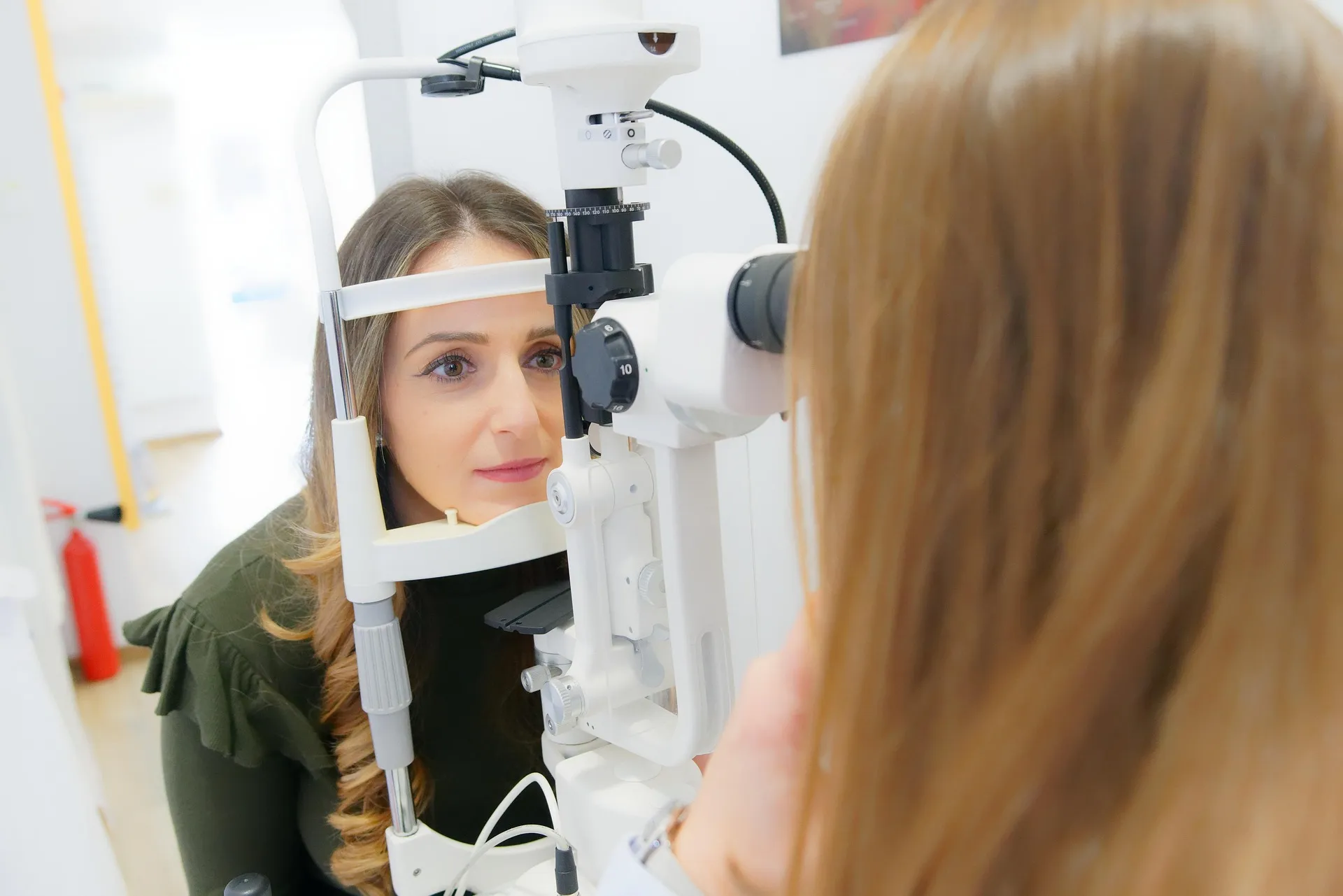
The structure of a glasses prescription
A glasses prescription is structured to provide precise information about the correction needed for clear vision. It usually includes values for sphere (SPH), cylinder (CYL), and axis (AXIS), arranged in a specific order. Understanding this structure helps you communicate effectively with the optician and ensure that your glasses correctly correct the refractive error, whether it is myopia, hyperopia, or astigmatism.
What does each term represent?
The sphere indicates the degree of myopia (with minus) or hyperopia (with plus). The cylinder corrects astigmatism, indicating the degree of corneal deformation. The axis shows the orientation of astigmatism, being the angle in degrees (from 1 to 180) where this deformation is located. All these values are essential for precise visual correction with contact lenses or glasses.
Prescription examples
A correct prescription might look like this: Sphere −2.00, Cylinder −1.00, Axis 90. This means 2 diopters of myopia and 1 diopter of astigmatism oriented at 90 degrees. Another prescription might be Sphere +1.50, Cylinder +0.50, Axis 180, indicating hyperopia and mild astigmatism oriented at 180 degrees. These values allow suitable prescription glasses to be made.
Examples of correctly completed optical prescriptions and common errors
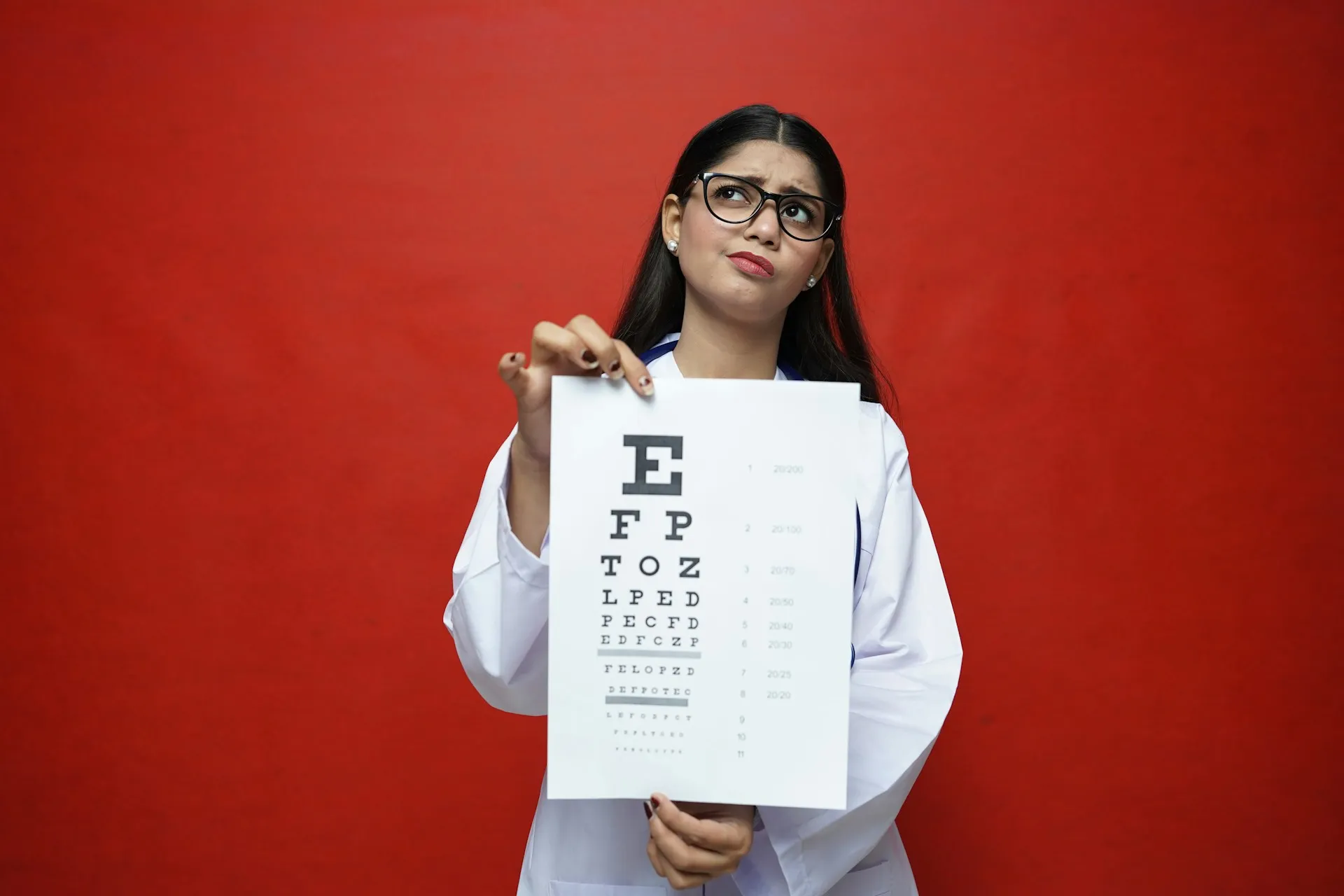
Frequent errors in prescriptions
Frequent errors include omitting the axis, mistakes in the diopter sign (plus instead of minus or vice versa), or incorrect cylinder values. These errors can result in glasses that are uncomfortable or optically ineffective. Therefore, it is crucial to check the prescription carefully and make sure all information is correct before ordering glasses.
Checking the prescription’s accuracy
Check whether the sphere, cylinder, and axis values correspond to those established during the ophthalmological examination. Make sure there is no confusion between the right eye (OD) and the left eye (OS). If you have doubts or uncertainties, ask the ophthalmologist for a reassessment. Prescription accuracy is essential to benefit from clear and comfortable vision with your new glasses.
Error-prevention checklist (−/+ sign, PD, axis). An error-free glasses prescription.
To avoid errors, use a simple checklist:
- Check the (+/−) sign for sphere and cylinder.
- Make sure the pupillary distance (PD) is recorded correctly.
- Check the axis value and orientation (between 1° and 180°).
This checklist helps minimize the risk of errors and ensures that your prescription is complete and accurate.
When is wearing glasses recommended: while driving, at school, or at the office?

Recommendations for wearing glasses
If you have low myopia (up to 3 diopters), you may wear glasses only when needed, for example while driving or at school. For moderate or high myopia (over 3 diopters), it is recommended that you wear glasses permanently, to avoid eye strain and ensure clear vision in all situations. Consult your ophthalmologist for personalized advice.
Adapting to contact lenses
Contact lenses are an excellent alternative to glasses, especially for sports or social activities. Adapting to lenses requires an adjustment period and rigorous hygiene. The ophthalmologist can help you choose the right type of lenses (daily, monthly, etc.) and learn how to use them correctly.
It is essential to follow hygiene instructions to prevent infections and other vision problems. Before putting in contact lenses, make sure you wash your hands well with soap and water, then rinse them with clean water. Use special solutions to clean the lenses and avoid exposing them to water or various chemicals.
Also, do not forget to remove your lenses before sleeping, except when using contact lenses specially designed for overnight wear. Check your diopters periodically, as they may change over time, and regular ophthalmological examinations are important for maintaining eye health. People with myopia, in particular, should pay extra attention to lens hygiene because the risk of developing complications is higher.
Strategies for different activities
For driving, make sure you have glasses with anti-reflective lenses and UV protection, as these reduce glare and improve visual clarity both during the day and at night.
At the office, optimize the lighting and distance from the monitor to prevent eye strain.
During sports activities, you can use contact lenses or special glasses with durable frames and suitable lenses that provide additional protection.
These strategies not only contribute to visual comfort but also protect eye health, which is especially important for people with myopia, who need to pay closer attention to environmental conditions.
Next steps: adjustment and monitoring
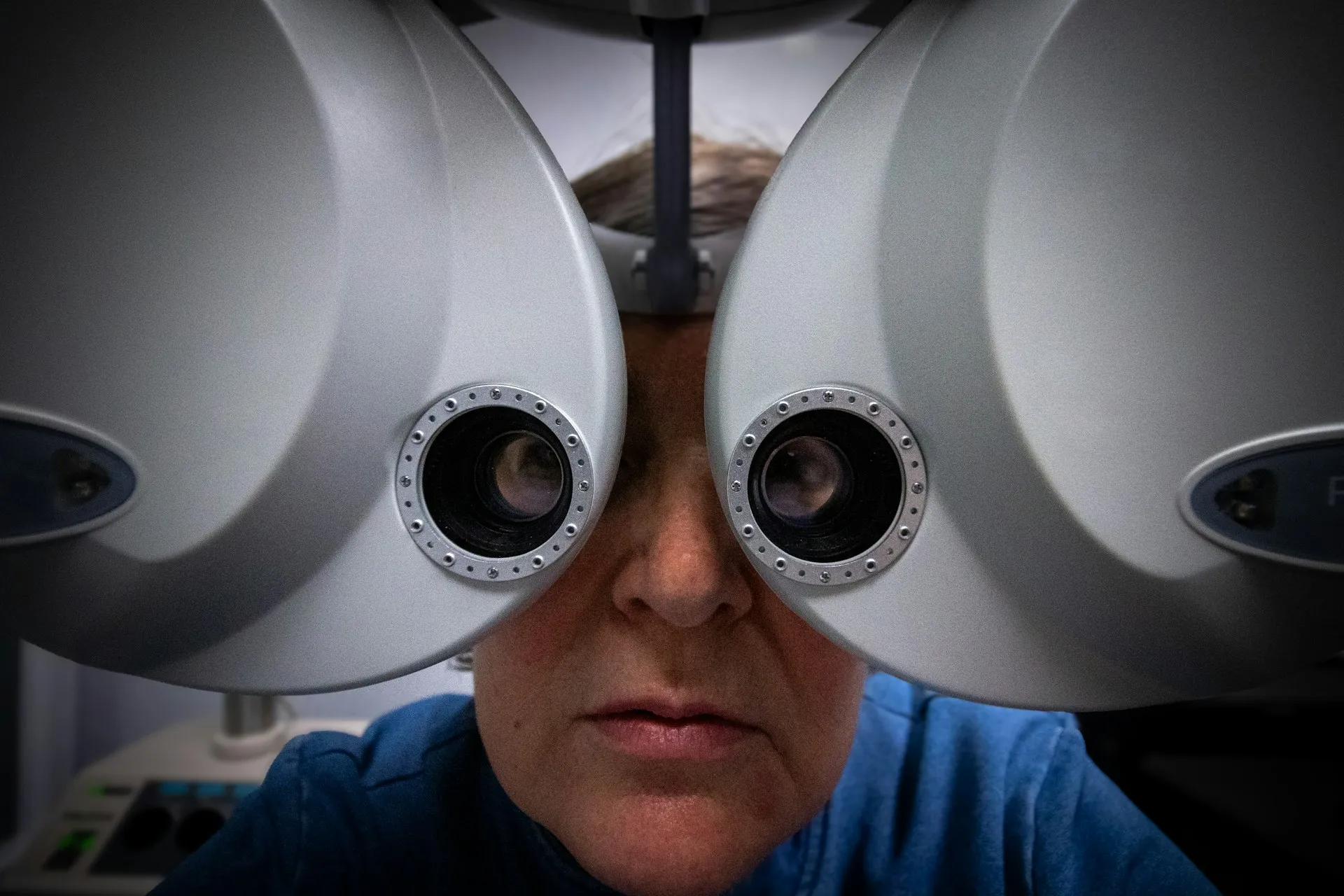
The importance of periodic examinations
Periodic ophthalmological examinations are essential for monitoring the progression of myopia and adjusting optical correction. These regular visits to an ophthalmology specialist allow assessment of eye health and rapid identification of any changes in the necessary diopters. As myopia progresses, it is important to adapt the lenses to ensure clear and comfortable vision.
The doctor may also provide recommendations regarding eye hygiene and methods of preventing deterioration of vision. Thus, periodic examinations not only help maintain optimal vision but also contribute to protecting overall eye health.
How to adjust your diopters
Diopters are adjusted following a new ophthalmological examination. It is essential for patients with myopia to have their vision checked regularly because diopters may change over time. An ophthalmology specialist will perform thorough tests to determine the exact degree of myopia and recommend the appropriate lenses.
It is also important for patients to report any changes in their vision, such as blurriness or difficulty seeing at night. Appropriate diopter correction can significantly improve quality of life and help prevent long-term complications associated with myopia.
Monitoring myopia progression
Monitoring myopia progression is crucial, especially in children and adolescents because of the risk of rapid progression. This allows rapid identification of changes in diopters, providing essential information for correctly adjusting glasses or contact lenses. Regular ophthalmological examinations help prevent complications associated with myopia, such as retinal degeneration or retinal detachment.
It is important for parents to watch for signs of eye strain or difficulty focusing at a distance. Through continuous monitoring, specialists can recommend appropriate interventions, including vision therapy or surgical options, thereby ensuring healthy long-term visual development.
Instant glossary: sphere / cylinder / axis

Concise definitions of the terms
The values prescribed for vision correction are divided into sphere, cylinder, and axis. The sphere represents the diopter value for myopia (with the minus sign) or hyperopia (with the plus sign), while the cylinder indicates the diopter value for astigmatism. In addition, the axis is the angle that determines the orientation of astigmatism.
| Parameter | Description |
|---|---|
| Sphere | Diopter value for myopia (−) or hyperopia (+) |
| Cylinder | Diopter value for astigmatism |
| Axis | Angle specifying the orientation of astigmatism |
Prescription terms explained for everyone
On a prescription for glasses or contact lenses, the sphere, cylinder, and axis values are specified for each eye separately (OD – right eye, OS – left eye). These values indicate the lens power needed to correct the refractive error and ensure clear vision. It is imperative that these data be correct, because an interpretation or transcription error can significantly affect visual quality.
Connections between the terms and vision correction
These parameters are interdependent in the optical-correction process. The sphere corrects the general focusing of light on the retina, the cylinder adjusts distortions caused by astigmatism, which is caused by the irregular shape of the cornea, and the axis determines the exact position of astigmatism correction according to the patient’s individual needs. It is important to note that if the cylinder value is zero, there is no astigmatism, which simplifies the adjustments needed for clear vision.
Glasses play an essential role because they guide the direction of light entering the eye, directing it correctly toward the retina so that the image is clear and well defined. This process is crucial for people with myopia, who have difficulty seeing distant objects. Therefore, glasses not only improve vision but also provide essential visual comfort in daily activities, whether reading or driving.
Frequently asked questions
Does myopia always have a minus sign?
Yes, myopia is always corrected with lenses that have diopters marked with a minus sign (−). This sign indicates that the lens is concave and helps focus the image correctly on the retina, thereby compensating for the refractive error specific to myopia. Exceptions are rare and occur only in complex situations when myopia is combined with other refractive errors, such as astigmatism or presbyopia.
Can I order glasses with only the sphere?
If your ophthalmological prescription includes only the sphere value (the diopter), it means that you do not have significant astigmatism. In this case, you can order prescription glasses with only that value. However, an ophthalmological examination is always recommended to rule out other problems and ensure optimal correction. Check the prescription carefully.
When do I wear glasses permanently?
The decision to wear prescription glasses permanently depends on the degree of myopia and your daily activities. If you have high myopia or if blurred vision significantly affects your activities (driving, computer work, etc.), it is recommended that you wear glasses permanently. The ophthalmologist can give you the best recommendation based on your needs.
How do I correct myopia with astigmatism?
Myopia associated with astigmatism is corrected with glasses or contact lenses that have two components: the sphere (for myopia) and the cylinder (for astigmatism). The prescription will include values for both, as well as the cylinder axis. These special lenses compensate for both refractive errors, ensuring clear vision at all distances. Consult your doctor for details.
Sphere, cylinder, axis: in what order do I read them?
Usually, the prescription is read in the following order: sphere (correction for myopia or hyperopia), cylinder (correction for astigmatism), and axis (direction of astigmatism). It is important to provide all these values to the optician so that the glasses are made correctly. Do not hesitate to ask the ophthalmologist for clarification.
What do “+” diopters mean and when do you need them: for near or distance vision?
When they appear for distance vision, plus (+) diopters are not usual and indicate hyperopia—the difficulty of seeing clearly up close. For near vision, however, plus diopters are characteristic of presbyopia, a common problem with advancing age that reduces the ability to focus on nearby objects. A complete ophthalmological evaluation is essential to determine the exact cause and the correction needed.