

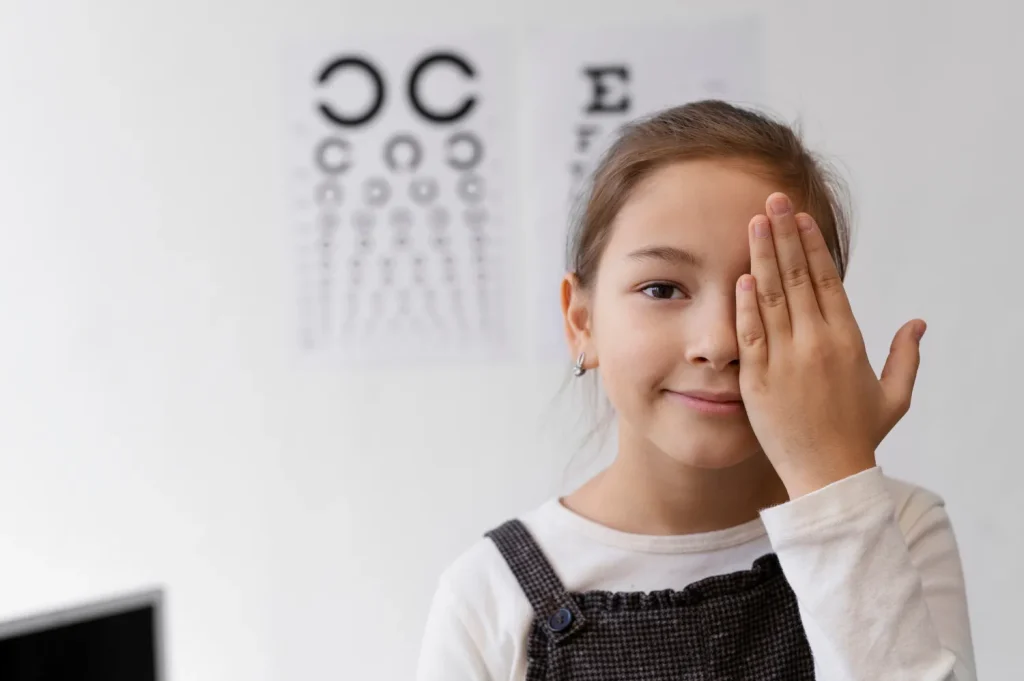
Myopia is a refractive error that affects distance vision. Progressive myopia is an advanced form of myopia, characterized by a constant deterioration of vision, especially among children, but also adults. This condition requires annual monitoring by an ophthalmologist to assess the progression of myopia and correctly adapt the means of correction, whether through prescription glasses, contact lenses, or complementary treatments, if appropriate.
What true myopia progression means
How do we define myopia progression?
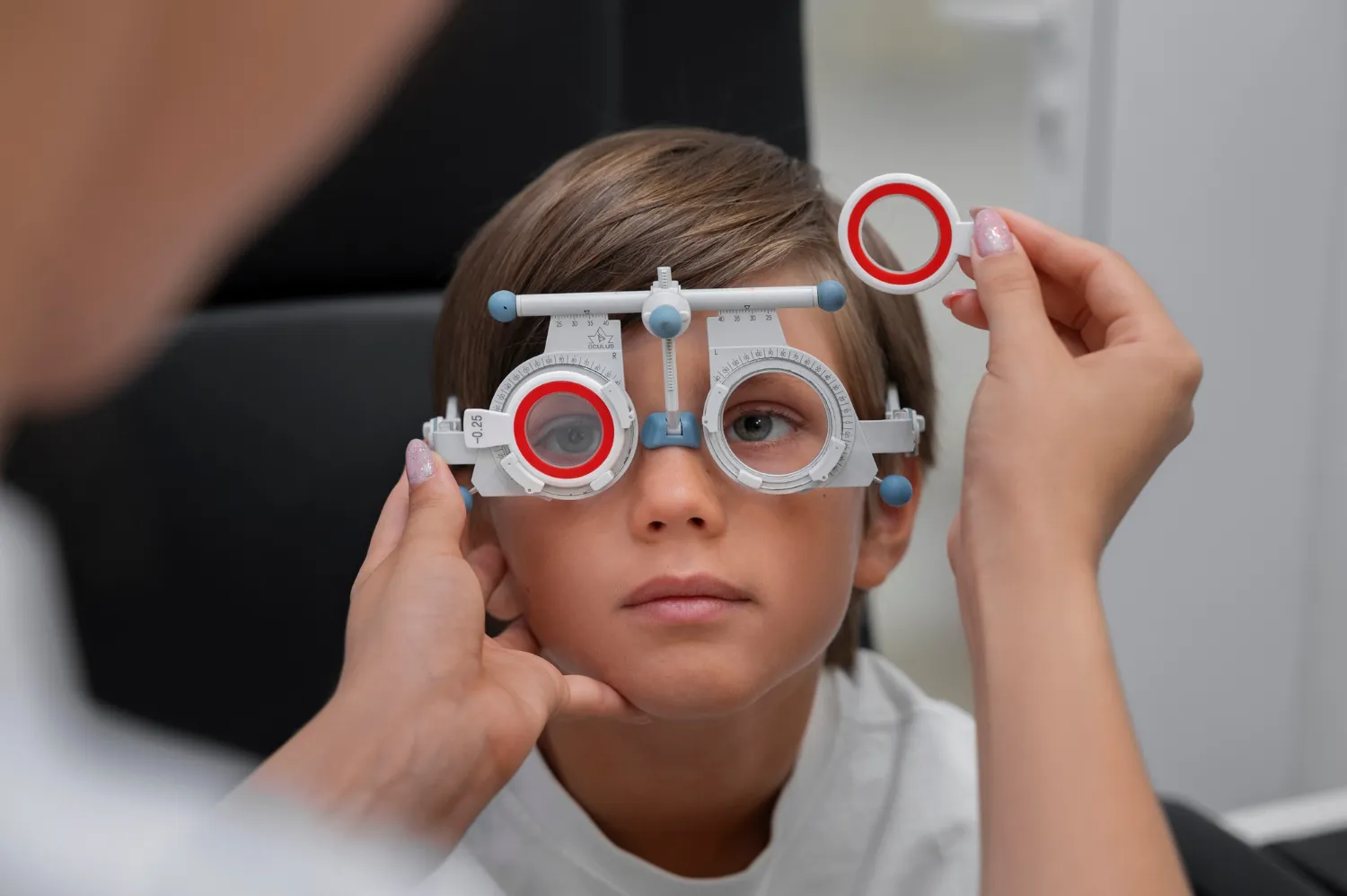
Myopia progression refers to an increase in the dioptres needed to correct negative vision. In practice, this means that distance visual acuity deteriorates over time, requiring glasses or contact lenses with a stronger optical correction. It is essential to monitor myopia progression, especially in children, in order to intervene in time.
Impact on vision
Myopia progression can have a significant impact on visual function, affecting the ability to see objects at a distance clearly. It can influence children’s school performance, sports activities and, in general, quality of life. Early detection and appropriate management of myopia are crucial for reducing risks and maintaining normal visual development.
Factors contributing to myopia progression
Several factors can contribute to myopia progression, including genetic predisposition, prolonged time spent in front of screens and a lack of outdoor activities. In children, excessive near-vision effort, such as reading or using electronic devices, can accelerate myopia progression. For this reason, it is essential that regular ophthalmological assessments are observed, in order to adapt optical correction and, if appropriate, introduce measures to control myopia progression.
Causes and risk factors for myopia
Causes of myopia in children
Myopia has a multifactorial aetiology, being determined by genetic factors, the environment and lifestyle. If both parents are myopic, there is a greater probability that the child will also develop myopia. In addition, prolonged activities that require near vision, such as reading and using electronic devices, can also contribute to the onset and worsening of myopia in children.
Influence of the environment and screens
Environmental factors, especially prolonged exposure to screens, represent an important risk factor in the development and progression of myopia. Prolonged time spent in front of screens, such as phones, tablets and computers, causes visual overstrain from near vision and can lead to myopia progression. It is recommended that time spent in front of screens be limited and regular breaks be taken.
Genetics and predisposition to myopia
Genetics plays a significant role in predisposition to myopia. People with a family history of myopia have a higher risk of developing this eye condition. However, environmental factors and lifestyle can also influence the onset and progression of myopia, even in people with a genetic predisposition.
Diagnosis of myopia
Symptoms and signs of myopia
Myopia symptoms can vary depending on the degree of impairment, but the most common are:
- Blurred distance vision
- The need to squint in order to focus better on objects at a distance
- Difficulty recognising traffic signs or the faces of people at a distance
In addition, headaches and eye strain can also be signs of myopia, especially after activities requiring distance focusing.
Assessing children’s vision
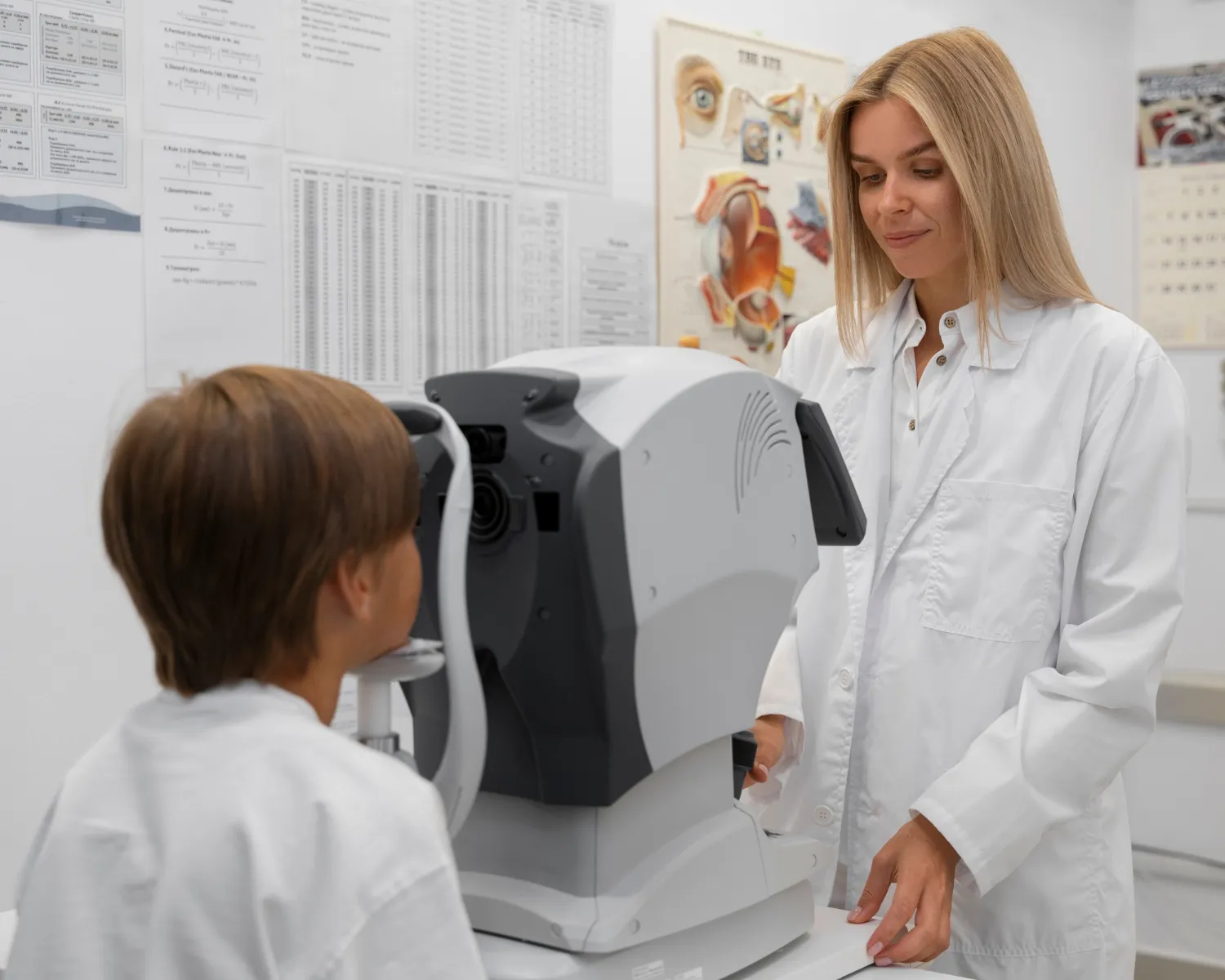
Assessing children’s vision is essential for the early detection of myopia and other eye problems. Vision tests performed by an ophthalmologist can identify even the smallest visual deficiencies. Regular eye examinations are recommended, especially for children with a family history of myopia or who have suggestive symptoms.
Tests used to establish a diagnosis of myopia
To establish a diagnosis of myopia, the ophthalmologist uses a series of important tests. These include:
- Determining visual acuity using an optotype (a chart with letters or symbols).
- Ocular refraction (determining the dioptres needed to correct vision).
- Fundus examination to assess the condition of the retina.
These tests help determine the degree of myopia and exclude other eye conditions, as well as choose the appropriate method of visual correction.
Types of myopia and treatment options
Classification of myopia: mild, moderate, severe
Myopia is classified according to the value of the negative dioptres needed for correction. Mild myopia usually refers to values between -0.5 and -3.0 dioptres, moderate myopia to between -3.0 and -6.0 dioptres, while severe myopia exceeds -6.0 dioptres. The degree of myopia determines both the optical correction strategy and the frequency of ophthalmological monitoring, especially in cases of progressive myopia in children, where the risk of eye complications is higher.
Correcting myopia with lenses
Myopia can be corrected with prescription glasses or contact lenses. Glasses are a safe, effective and non-invasive option suitable for all ages. Contact lenses provide superior visual quality and a wider field of vision, but require rigorous hygiene to avoid eye infections. The choice of correction method is individualised according to the patient’s age, degree of myopia, lifestyle and preferences, under the guidance of an ophthalmologist.
The role of contact lenses in treating myopia
Contact lenses are a popular and effective alternative to glasses for correcting distance vision in people with myopia. Different types of contact lenses are available, including soft lenses, rigid gas-permeable lenses and disposable lenses. The ophthalmologist can recommend the appropriate type of contact lens according to the degree of myopia, the shape of the cornea and the individual needs of the patient with myopia. Proper contact-lens hygiene is essential to prevent eye infections.
Controlling myopia progression: validated options

Strategies for slowing progression
Slowing myopia progression is a major concern, especially in children. Strategies include spending more time outdoors, limiting time spent in front of screens and using specific treatments, such as Ortho-K contact lenses or low-concentration atropine drops. These measures do not cure myopia, but may significantly reduce the rate of progression and delay high myopia.
Treatment of myopia: non-surgical interventions
In treating myopia in children, non-surgical interventions are preferred to slow progression of the condition. These include special lenses, such as multifocal lenses or lenses with peripheral defocus, which may reduce near-vision effort and diminish myopia progression. Low-concentration atropine drops are also used to relax the eye muscles and reduce myopia progression.
Use of special lenses
Special lenses, such as Ortho-K contact lenses (orthokeratology), are designed to temporarily reshape the cornea during sleep. These lenses are worn at night and removed in the morning, providing clear vision throughout the day without the need for glasses or contact lenses. Ortho-K may be an effective option for slowing myopia progression in children and adolescents. Discuss with the ophthalmologist whether this option is indicated and feasible for your child.
When to discuss myopia surgery
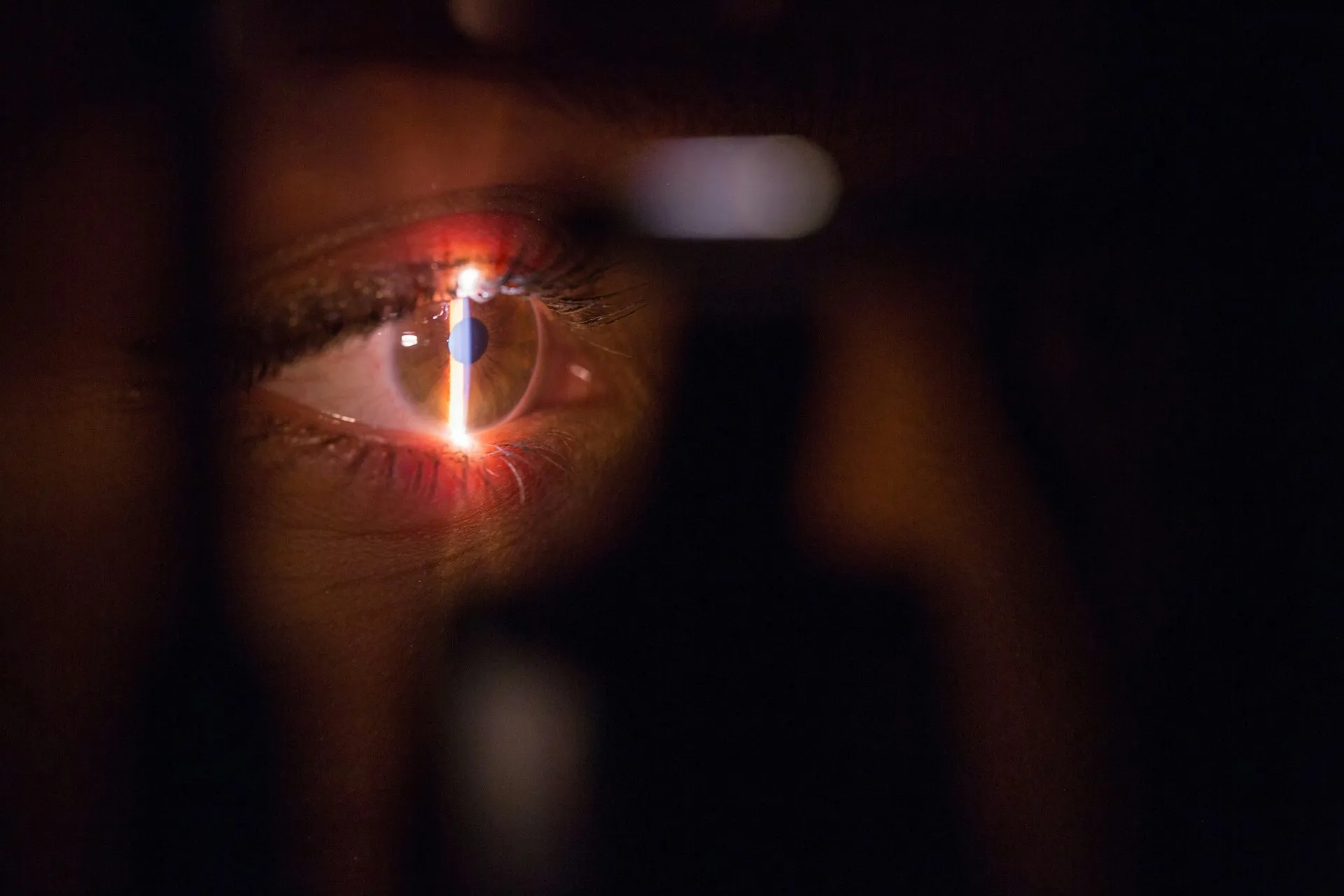
Indications for laser treatment
Surgical laser treatment, such as LASIK or PRK, is a permanent refractive-correction option for myopia in adults. The main indications include stable myopia, a minimum age of 18 and a sufficiently thick cornea. Laser surgery can correct myopia and astigmatism, providing clear vision without the need for glasses or contact lenses. The ophthalmologist will perform a complete assessment to establish the patient’s eligibility for this procedure.
Risks and benefits of surgery
Refractive surgery, such as LASIK, PRK or SMILE, offers the benefit of clear vision without glasses or contact lenses. However, there are also associated risks, such as dry eye syndrome, infections, undercorrection or overcorrection. It is important to discuss the benefits and risks of refractive surgery with the ophthalmologist and to have realistic expectations regarding the final result. Before the procedure, the ophthalmologist will perform a complete eye assessment.
Preoperative consultation for patients with myopia
The preoperative consultation is essential for determining eligibility for refractive surgery. The ophthalmologist will assess visual acuity, ocular refraction, corneal thickness, the condition of the retina and other important aspects. During the consultation, the patient’s expectations, the risks and benefits of the procedure and postoperative care will also be discussed. This assessment helps ensure an optimal result and minimise risks.
Evaluation schedule: 6–12 months

Planning follow-up visits
Regularly scheduled ophthalmological visits are essential for monitoring the course of myopia, especially in children. Establish an appropriate evaluation schedule together with the ophthalmologist, usually every 6 or 12 months. These visits allow early detection of myopia progression and adjustment of treatment to slow its course. Do not postpone visits, because early intervention can make a difference.
Monitoring myopia progression
Careful monitoring of myopia progression is crucial for preventing long-term eye complications. During ophthalmological check-ups, the doctor will assess visual acuity, refraction and general eye health. They will track changes in the dioptres and determine whether glasses or contact lenses need to be adjusted. In children with progressive myopia, monitoring may be more frequent.
Improving screen-use habits
Improving screen-use habits is an important part of managing myopia, especially in children. Limit time spent in front of screens and encourage regular breaks. Make sure the distance between the eyes and the screen is appropriate and that lighting is good. Encourage outdoor activities, as these may help reduce the risk of myopia progression. Adopting a balanced lifestyle is essential for maintaining eye health.
Frequently asked questions about progressive myopia
What rate of myopia increase is alarming?
An increase of more than 0.5 dioptres per year, especially in children, should alert you and prompt you to consult an ophthalmologist. This rapid increase may indicate progressive myopia, which requires intervention to slow its course and prevent long-term complications. Regular monitoring is essential for detecting these changes.
What options slow myopia progression?
There are several validated options for slowing myopia progression in children. These include special contact lenses, such as ortho-k (orthokeratology) lenses or multifocal lenses, low-concentration atropine drops, proper retinal nutrition with dietary supplements specially formulated for myopia, and spending more time outdoors.
These methods do not cure myopia, but may reduce the rate of progression. It is important to discuss with the ophthalmologist the most appropriate treatment option for your child.
Vision monitoring – how often is it needed?
The frequency of ophthalmological check-ups varies according to age, degree of myopia and the previously observed rate of progression. In children, an eye examination every 6 months or 1 year is recommended, especially if myopia is progressing rapidly. Adults with stable myopia can have an ophthalmological check-up annually or every 2 years, depending on the doctor’s recommendations.
Are there treatments that cure myopia?
Myopia cannot be cured, but methods of correcting vision exist, such as glasses, contact lenses or refractive surgery (LASIK, PRK). These options improve visual acuity and reduce dependence on glasses or lenses, but do not eliminate the anatomical cause of myopia. Consult an ophthalmologist to discuss the options suitable for you and understand the risks and benefits of each method.
What can I do to prevent my child’s myopia from progressing?
To prevent your child’s myopia from progressing, encourage outdoor activities and limit time spent in front of screens. Make sure they have correct posture when reading or using electronic devices and adequate lighting. Consult the ophthalmologist to discuss treatment options that may slow myopia progression, such as special lenses or atropine drops.
When should I see an ophthalmologist if I have myopia?
If you have myopia, you should see an ophthalmologist at least once a year for a routine check-up. If you notice a sudden change in vision, frequent headaches or other eye symptoms, consult an ophthalmologist immediately. In children with myopia, regular ophthalmological check-ups are essential for monitoring progression and adjusting treatment if necessary.
What is high myopia and what are the risks?
High myopia refers to severe myopia, with values above -6.0 dioptres. People with high myopia have an increased risk of developing eye complications, such as retinal detachment, glaucoma and cataracts. Regular ophthalmological monitoring is essential for detecting and treating these complications at an early stage. Protect your eyes and see an ophthalmologist for a thorough check-up.
What is progressive myopia?
Progressive myopia is an advanced form of myopia in which distance vision gradually deteriorates. It affects the ability to see objects at a distance and may require frequent adjustments to the dioptres of glasses or contact lenses.
What is pathological myopia?
Pathological myopia is a severe form of myopia that can lead to complications such as retinal detachment or strabismus. It requires strict ophthalmological follow-up and appropriate treatment to prevent deterioration of vision.