


High myopia, also known as severe myopia, is an advanced form of myopia, a common eye condition that causes distant objects to appear unclear. In this severe form, myopia not only affects visual acuity but may increase the risk of severe ophthalmological complications. This article aims to provide a clear overview of high myopia, from its definition and symptoms to the treatment options available and the importance of regular ophthalmological monitoring.
What high myopia means
Definition of high myopia
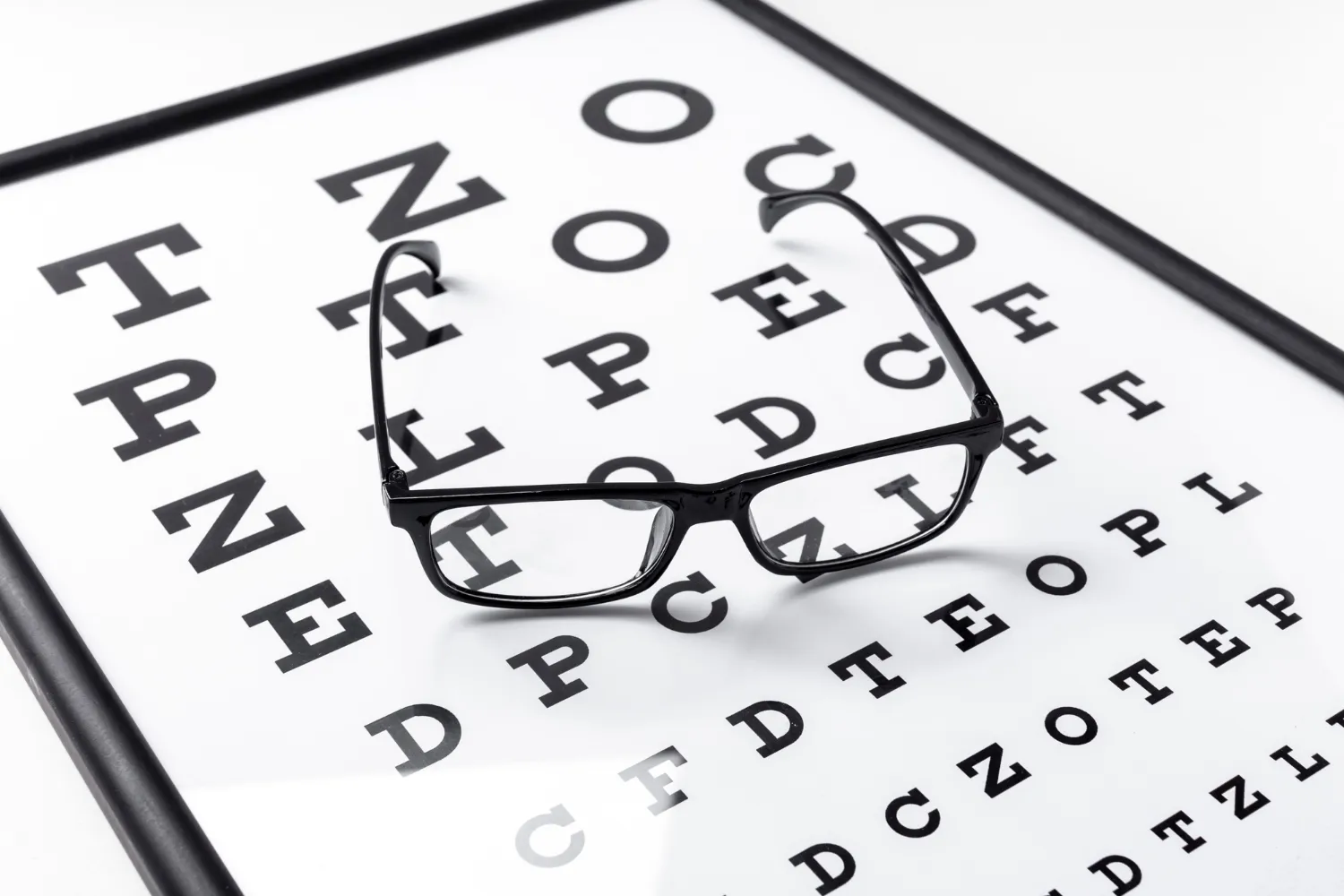
High myopia is generally defined as a form of myopia with a dioptre value of -6.00 or higher. This high dioptre indicates that the eye has excessive focusing power, causing the image to form in front of the retina rather than directly on it.
People with high myopia have significant difficulty seeing distant objects clearly and need prescription glasses or contact lenses with strong correction to focus the image correctly on the retina. In cases of high myopia, the structure of the eye may undergo changes that increase the risk of long-term ophthalmological complications.
Common symptoms of high myopia
The symptoms of high myopia are similar to those of ordinary myopia, but are usually more pronounced. Blurred distance vision is the main symptom, causing people with high myopia to move very close to objects in order to see them clearly. Other symptoms may include eye strain, frequent headaches caused by the effort to focus, and strabismus (especially in children). Patients with high myopia may also notice difficulty seeing at night or in low-light conditions.
It is important to remember that these symptoms may gradually worsen as myopia progresses, which is why regular ophthalmological check-ups are recommended to monitor and properly manage the condition.
Types of myopia
There are several types of myopia, classified according to severity and how the condition develops. Some of the most common forms are presented below:
| Type of myopia | Characteristics |
|---|---|
| Simple myopia | This is the most common form of myopia. It usually appears in childhood and stabilises in adulthood. |
| Pathological (degenerative) myopia | This is a severe form of myopia that progresses throughout life and is associated with structural changes in the eye, such as elongation of the eyeball. |
There is also congenital myopia, present at birth, and acquired myopia, which develops later, often during childhood or adolescence. In cases of high myopia, identifying the specific type of myopia is essential in order to manage the risks correctly and choose the appropriate treatment.
Associated risks (retina, choroid)

Complications of high myopia
High myopia significantly increases the risk of eye complications. As the dioptres increase, due to elongation of the eyeball, this can lead to thinning and stretching of the retina. This structural change makes the retina more fragile and more prone to tears or even retinal detachment, a serious condition that can lead to vision loss if not treated in time.
People with high myopia also have a greater risk of developing glaucoma and cataracts at a younger age than usual. Regular ophthalmological monitoring is essential for detecting and managing these risks.
Risks to eye health
In addition to retinal complications, high myopia can also affect the choroid, the vascular layer beneath the retina that supplies it with oxygen and nutrients. Thinning of the choroid can lead to inadequate vascularisation of the retina, affecting visual function.
The risk of choroidal neovascularisation (abnormal growth of blood vessels) is also higher in patients with high myopia, which can lead to vision loss. It is crucial for people with high myopia to undergo regular, thorough ophthalmological check-ups to assess the health of the retina and choroid.
What signs require an ophthalmological emergency?
The sudden appearance of symptoms such as flashes of light, dark spots in the visual field or a sudden decrease in visual acuity requires emergency ophthalmological assessment. These signs may indicate retinal detachment or other severe complications of high myopia.
Severe eye pain or suddenly blurred vision may also signal serious conditions requiring immediate treatment. Do not ignore these signs and seek medical assistance as soon as possible to prevent irreversible vision loss.
Glasses and contact lenses vs. refractive surgery (laser, ICL, RLE)? Which option is right for you?

Correction with glasses and lenses
Optical correction with prescription glasses or contact lenses is often the first recommended solution for high myopia. Glasses with special diverging lenses can correct high dioptres and significantly improve visual acuity. Contact lenses provide a wider field of vision and are sometimes more comfortable, especially for active people or those who do not want to wear glasses. However, it is important to remember that neither glasses nor contact lenses cure myopia; they only correct vision.
It is important to discuss with an ophthalmologist to determine the most appropriate correction option for your needs.
Surgical options for high myopia
For people with high myopia who want a more permanent solution, refractive surgical options are available. ICL (Implantable Collamer Lens) implantation is a procedure in which an artificial lens is inserted into the eye, in front of the natural lens, to correct myopia. Another option is RLE (Refractive Lens Exchange), which involves replacing the natural lens with an artificial lens. Laser procedures, such as LASIK or PRK, may be suitable for cases of moderate high myopia. Eligibility for these procedures depends on a thorough ophthalmological assessment.
Advantages and disadvantages of each option
Glasses and contact lenses are non-invasive and reversible options for correcting high myopia, but require careful maintenance and periodic replacement. Refractive surgical procedures offer more stable, long-term vision correction, but involve greater risks and costs. ICL implantation is a good option for patients who are not eligible for LASIK, while RLE may be a suitable solution for people with early cataracts.
It is essential to discuss the benefits, limitations and risks of each option with an ophthalmologist specialising in refractive surgery. The appropriate treatment is chosen individually, according to the characteristics of the eyes and the patient’s expectations.
Eligibility and age

Assessing eligibility for refractive treatments or conventional solutions
Eligibility for various treatments for high myopia depends on a thorough ophthalmological assessment. The ophthalmologist will assess general eye health, corneal thickness, degree of myopia, presence of astigmatism and any other associated eye conditions.
Patients with high myopia may be eligible for correction with glasses or contact lenses, laser procedures, ICL lens implantation or RLE. It is important to know that not all patients with high myopia are candidates for all these options, and the best solution must be chosen individually after a specialist consultation.
Optimal age for procedures
The optimal age for refractive surgical procedures such as LASIK, ICL or RLE is usually after myopia has stabilised, generally after the age of 18–21. During this period, changes in dioptres become less frequent, providing stable and predictable correction. In children and adolescents, myopia may continue to progress, and surgical procedures performed before myopia stabilises may result in the need for additional corrections in the future.
However, in special cases, such as progressive high myopia, procedures at younger ages may be considered, but the decision must be made by a paediatric ophthalmologist.
Decision-making factors for treatment
Decision-making factors for treating high myopia include the patient’s age, degree of myopia, lifestyle and preferences. People with high myopia may choose glasses or contact lenses for optical correction. Alternatively, they may opt for refractive surgery for more permanent vision correction. ICL implantation and RLE are suitable options for patients with very high dioptres or a thin cornea.
It is crucial to discuss the risks and benefits of each option with the ophthalmologist in order to make an informed and personalised decision.
Monitoring myopia and warning signs
Importance of monitoring high myopia
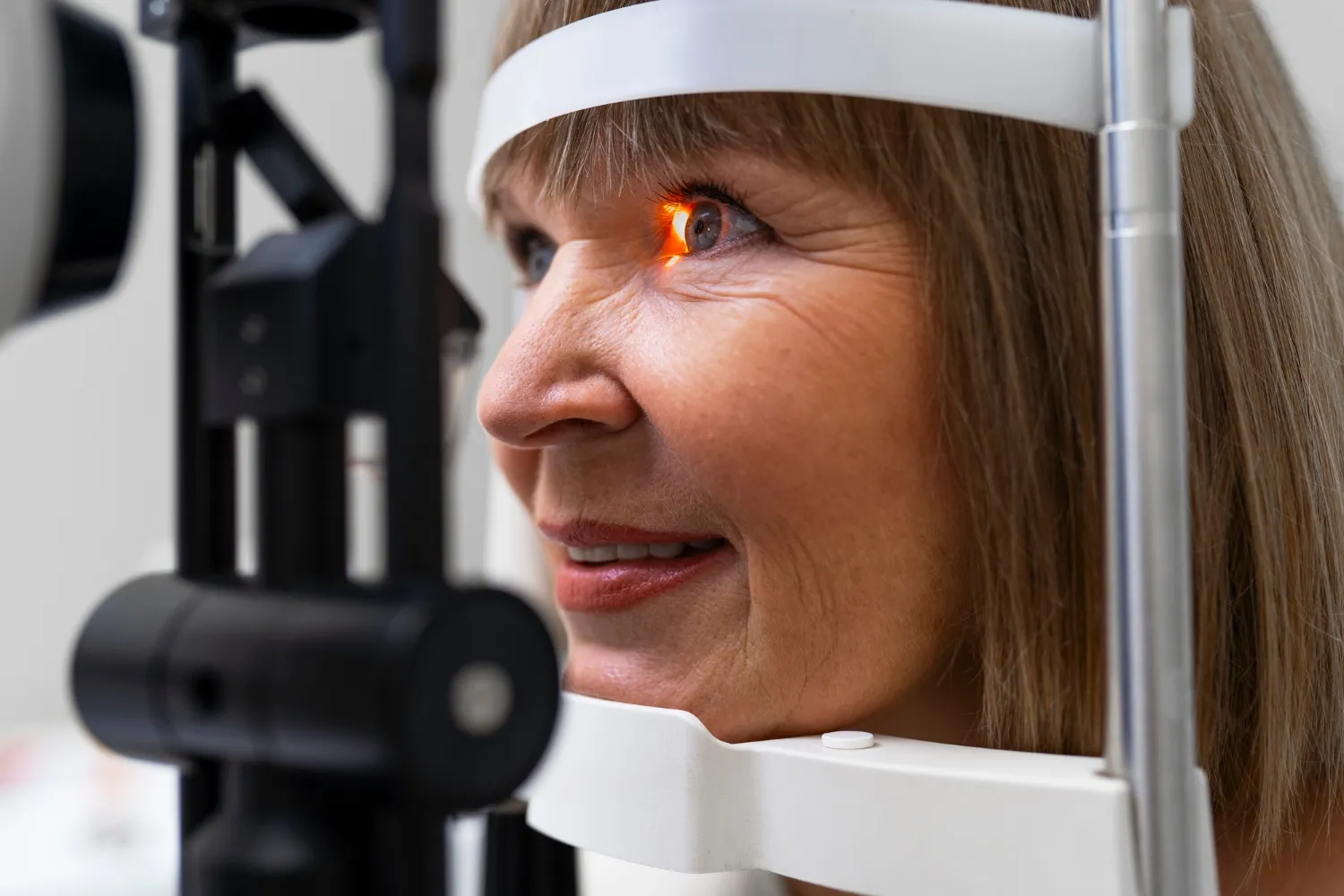
Periodic monitoring of high myopia is essential for detecting and managing eye complications in time. People with high myopia have an increased risk of developing conditions such as retinal detachment, glaucoma, early cataracts and myopic macular degeneration.
Regular ophthalmological check-ups allow early identification of these conditions and rapid initiation of appropriate treatment. The ophthalmologist will assess visual acuity, intraocular pressure, the condition of the retina and the integrity of the optic nerve to monitor eye health.
Warning signs for patients
Certain eye symptoms may indicate serious problems and require immediate medical attention. These warning signs include the sudden appearance of flashes of light or dark spots in the visual field, a sudden decrease in visual acuity, intense eye pain, suddenly blurred vision or the sensation of a curtain covering the visual field.
These symptoms may be signs of serious conditions such as retinal detachment, acute glaucoma or other serious conditions requiring urgent treatment to prevent irreversible vision loss. Do not ignore these signs and consult an ophthalmologist immediately.
What steps to take in case of severe symptoms
If severe symptoms such as those mentioned above occur, it is crucial to consult an ophthalmologist immediately. Do not postpone the visit to the ophthalmologist, as some eye conditions can lead to permanent vision loss if not treated quickly. On the way to the ophthalmology office, avoid physical exertion and protect your eyes from bright light.
It is important to give the ophthalmologist detailed information about your symptoms and medical history. Strictly follow the medical instructions and treatment plan recommended by the ophthalmologist.
Frequently asked questions about high myopia
What option is realistic with high dioptres?
In cases of myopia with very high dioptres, glasses and contact lenses are usually the first-line correction for myopia. However, for many patients with high myopia, these options may be uncomfortable or insufficient. Refractive surgical procedures, such as ICL implantation or RLE (lens replacement), may provide more stable and effective correction. Eligibility for these procedures is established following a detailed ophthalmological assessment, which will determine whether the eye is suitable for surgery.
What signs require an emergency?
Certain eye symptoms require immediate medical attention, especially in people with high myopia. The sudden appearance of flashes of light, the sensation of a “curtain” obstructing vision or a sudden decrease in visual acuity may indicate retinal detachment, an ophthalmological emergency. Severe eye pain, eye redness and suddenly blurred vision may also suggest other serious conditions. In such situations, it is crucial to consult an ophthalmologist immediately.
What are the common causes of high myopia?
The causes of high myopia are diverse, but genetic factors play an important role. People whose parents have high myopia have an increased risk of developing the condition themselves. Environmental factors, such as time spent in front of screens or lack of exposure to natural light, may also contribute to the development and progression of myopia. In cases of pathological myopia, myopia not only progresses constantly but is also accompanied by structural changes in the eye, which may lead to retinal or choroidal complications.
Can myopia be cured?
Myopia cannot be completely cured, but optical and surgical correction options can significantly improve vision. Glasses and contact lenses are non-invasive methods that correct vision but do not treat the cause of myopia. Refractive surgical procedures such as LASIK, ICL or RLE may reduce or eliminate the need to wear glasses or contact lenses.
However, it is important to remember that these procedures do not eliminate the risk of complications associated with high myopia, such as retinal detachment or glaucoma. Therefore, ophthalmological monitoring remains essential.
What types of glasses are recommended for high myopia?
For people with high myopia, thinned lenses with anti-reflective coating are recommended to reduce weight and visual distortions. High-index lenses are thinner and lighter than standard lenses, providing a more pleasing aesthetic appearance and greater comfort. Anti-reflective treatment reduces reflections and improves visual clarity. It is important to choose a suitable frame that properly supports the lenses and ensures clear, stable vision.
When should I consult a specialist for myopia?
You are advised to consult an ophthalmologist if you notice reduced visual acuity, difficulty seeing distant objects clearly, frequent headaches or eye strain. It is also important to have regular eye examinations if you have a family history of high myopia or other eye conditions. Early diagnosis and appropriate treatment may help slow myopia progression and prevent complications.
Can I play sports if I have high myopia?
Yes, people with high myopia can participate in sports, but it is important to take certain precautions. Sports glasses with corrective lenses can provide clear vision and eye protection during physical activities. Contact lenses are another option, providing a wider field of vision and less distortion than glasses.
However, certain contact sports may present a greater risk of eye injuries, so discuss the best options for you with the ophthalmologist. It is important to protect your eyes and have regular check-ups to monitor eye health.
Can high myopia worsen with age?
High myopia may continue to progress with age, especially in forms of pathological myopia. Although myopia progression usually stabilises in adulthood, structural changes in the eye associated with high myopia may increase the risk of complications such as retinal detachment or glaucoma with advancing age.
Regular monitoring by an ophthalmologist is essential for detecting and managing any changes in vision or eye health. A complete eye examination can assess the condition of the retina, optic nerve and other eye structures, allowing early intervention when necessary.
Are there treatments to slow myopia progression in children?
Yes, there are several effective strategies that may help slow myopia progression in children. These include special contact lenses, specially designed glasses or low-concentration atropine eye drops. Multifocal contact lenses and glasses with DIMS (Defocus Incorporated Multiple Segments) lenses are designed to reduce the eye’s focusing effort and slow axial growth of the eyeball.
Atropine drops act by relaxing the eye muscles responsible for focusing. It is important to discuss with a paediatric ophthalmologist which option is most appropriate for your child and to monitor treatment effectiveness.