


Myopia, known as difficulty seeing objects clearly at a distance, is not a single condition. There are various types of myopia, each with specific characteristics and implications. Understanding these types is essential for a correct diagnosis and appropriate treatment.
Why typology matters
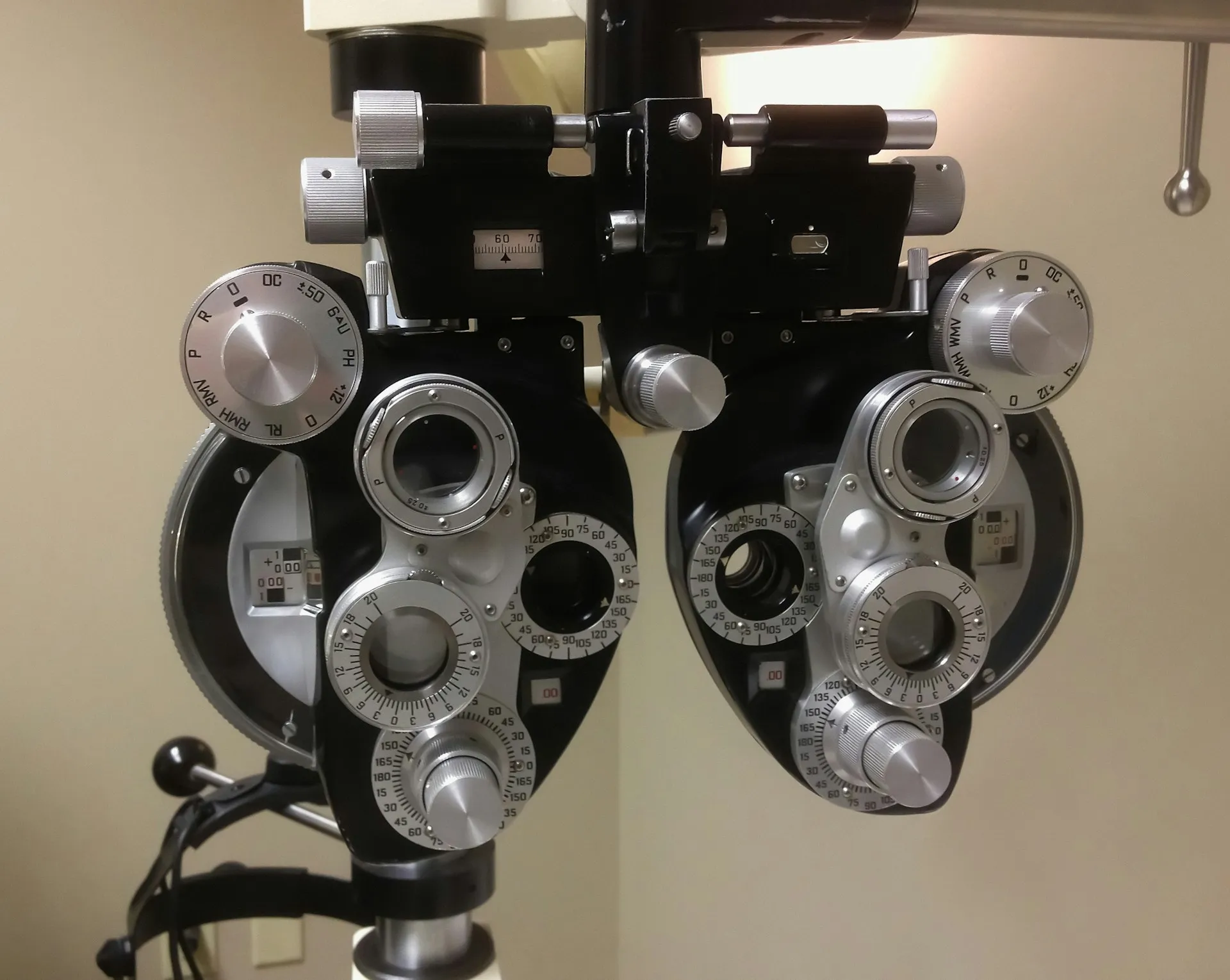
Precisely identifying the type of myopia is crucial because it directly influences the therapeutic approach. Each type requires a specific correction strategy, and ignoring this distinction may lead to ineffective vision management and an increased risk of ocular complications.
The importance of knowing the types of myopia
Knowing the type of myopia allows the ophthalmologist to establish the most suitable treatment options and monitor myopia progression. Different types of myopia may respond differently to glasses or contact lenses, and some may require additional interventions.
Impact on eye treatment
Myopia treatment varies according to its type. For example, axial myopia may require a different approach from refractive myopia. The correct choice of lenses or other treatment methods depends on understanding the specific mechanism of myopia.
Risks associated with myopia
Myopia, particularly advanced forms such as high or pathological myopia, may increase the risk of serious eye conditions, such as retinal detachment, glaucoma or cataract. Early identification of the type of myopia and periodic monitoring may help reduce these risks and maintain eye health.
Axial myopia: elongation of the eyeball and risks
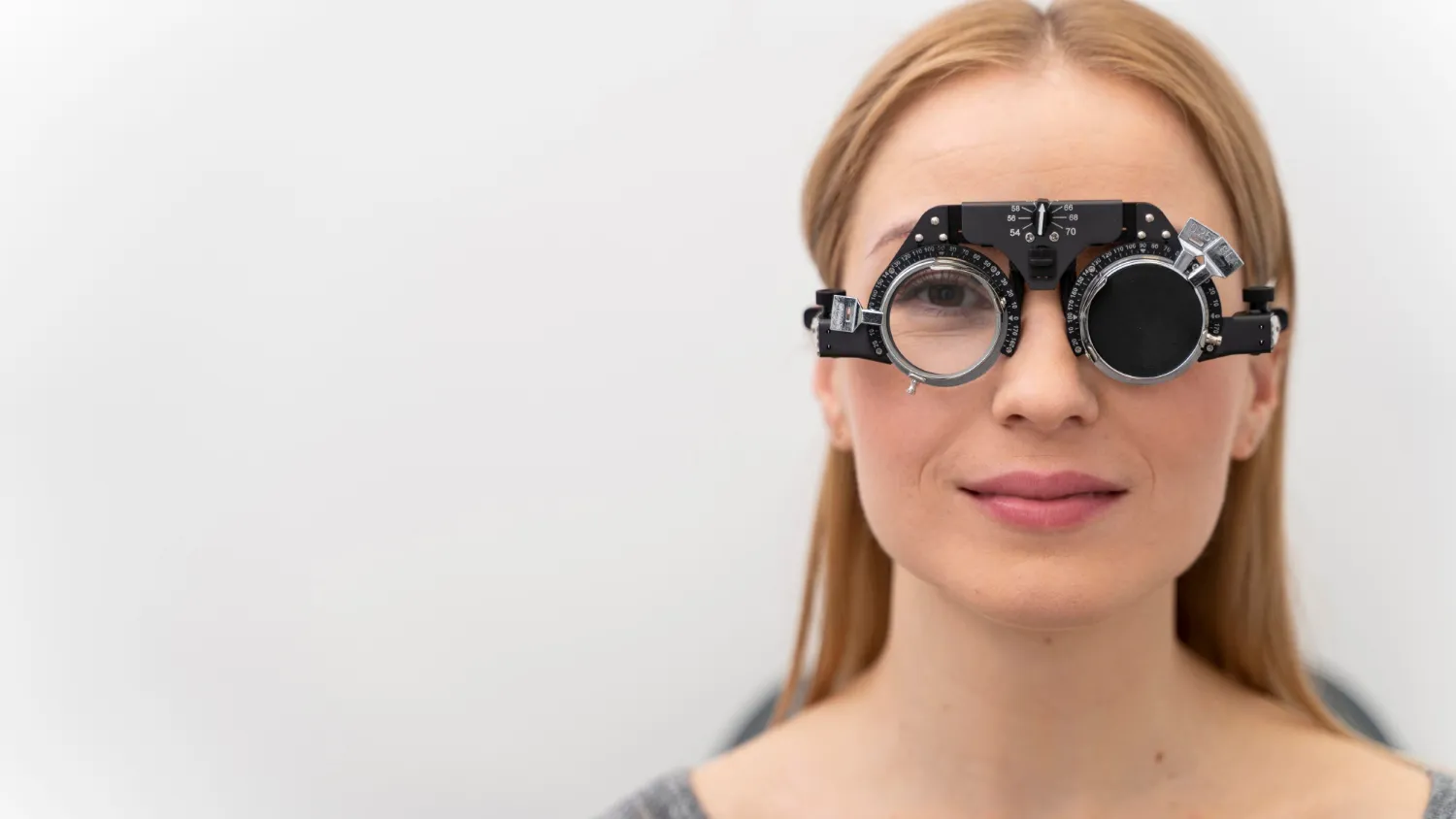
Axial myopia is characterized by elongation of the anteroposterior axis of the eyeball, causing light rays to focus in front of the retina rather than on it. This anatomical change affects distance vision, requiring optical correction with glasses or contact lenses with minus-power prescriptions to ensure a clear image of distant objects.
What is axial myopia and what are its characteristics?
Axial myopia is caused by excessive elongation of the anteroposterior axis of the eyeball, causing the image to form in front of the retina rather than directly on it. This is the most common form of myopia, and the degree of myopia is directly proportional to the axial length of the eye.
Risk factors for axial myopia
Risk factors for axial myopia include genetic predisposition, environmental factors (such as time spent indoors and excessive use of electronic devices), and certain pre-existing eye conditions. In children, progressive myopia may develop rapidly, requiring periodic ophthalmological monitoring.
Associated ocular complications
Axial myopia is associated with an increased risk of ocular complications, such as retinal detachment, glaucoma and high myopia. Regular and careful monitoring of patients with axial myopia is essential for the early identification and timely treatment of these conditions, with the aim of preventing irreversible vision loss.
Refractive myopia: the difference between the cornea and lens
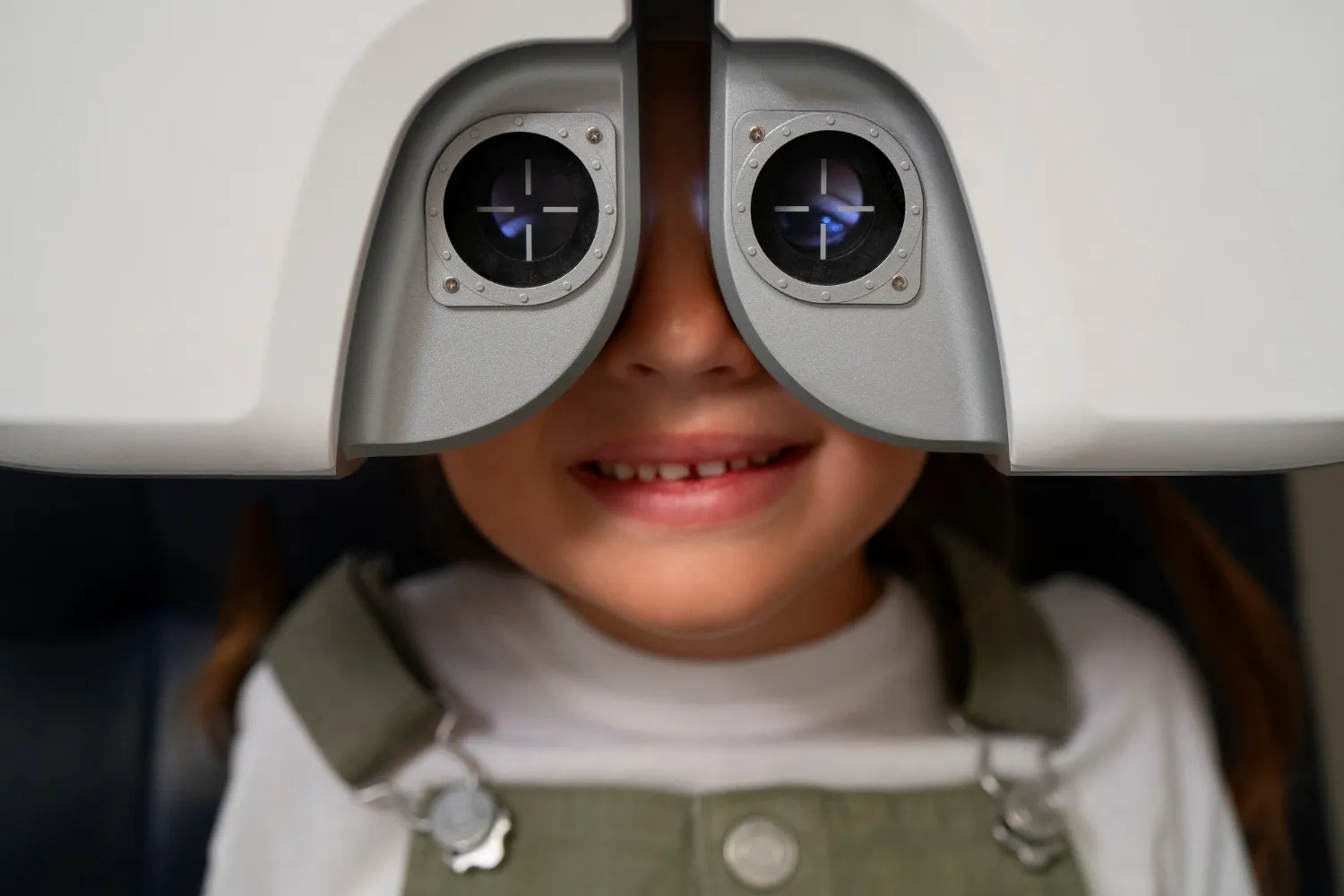
Refractive myopia occurs when the cornea or lens has too much curvature in relation to the normal length of the eyeball. This causes excessive refraction of light, so the image forms in front of the retina rather than directly on it. Optical correction is necessary to obtain clear distance vision.
What is refractive myopia?
Refractive myopia is a type of myopia caused by excessive curvature of the cornea or lens. In this case, even if the eyeball length is normal, the eye’s refractive power is too high, resulting in incorrect image focusing.
Differences between the cornea and lens
The cornea is the transparent structure at the front of the eyeball and is responsible for most of the refraction of light. The lens, located behind the iris, finely adjusts focus, allowing the eye to see clearly at different distances. Both structures may contribute to refractive myopia when their curvature is pronounced or their dioptric power increases abnormally.
Treatment of refractive myopia
Treatment of refractive myopia generally consists of using glasses or contact lenses with diverging (concave) lenses, which compensate for excess refraction and allow images to focus correctly on the retina. In some cases, surgical treatment options such as LASIK (Laser-Assisted In Situ Keratomileusis) or PRK (Photorefractive Keratectomy) may be considered. These procedures involve reshaping the corneal curvature to reduce dioptric power and improve visual acuity.
Pathological/degenerative myopia: signs and monitoring
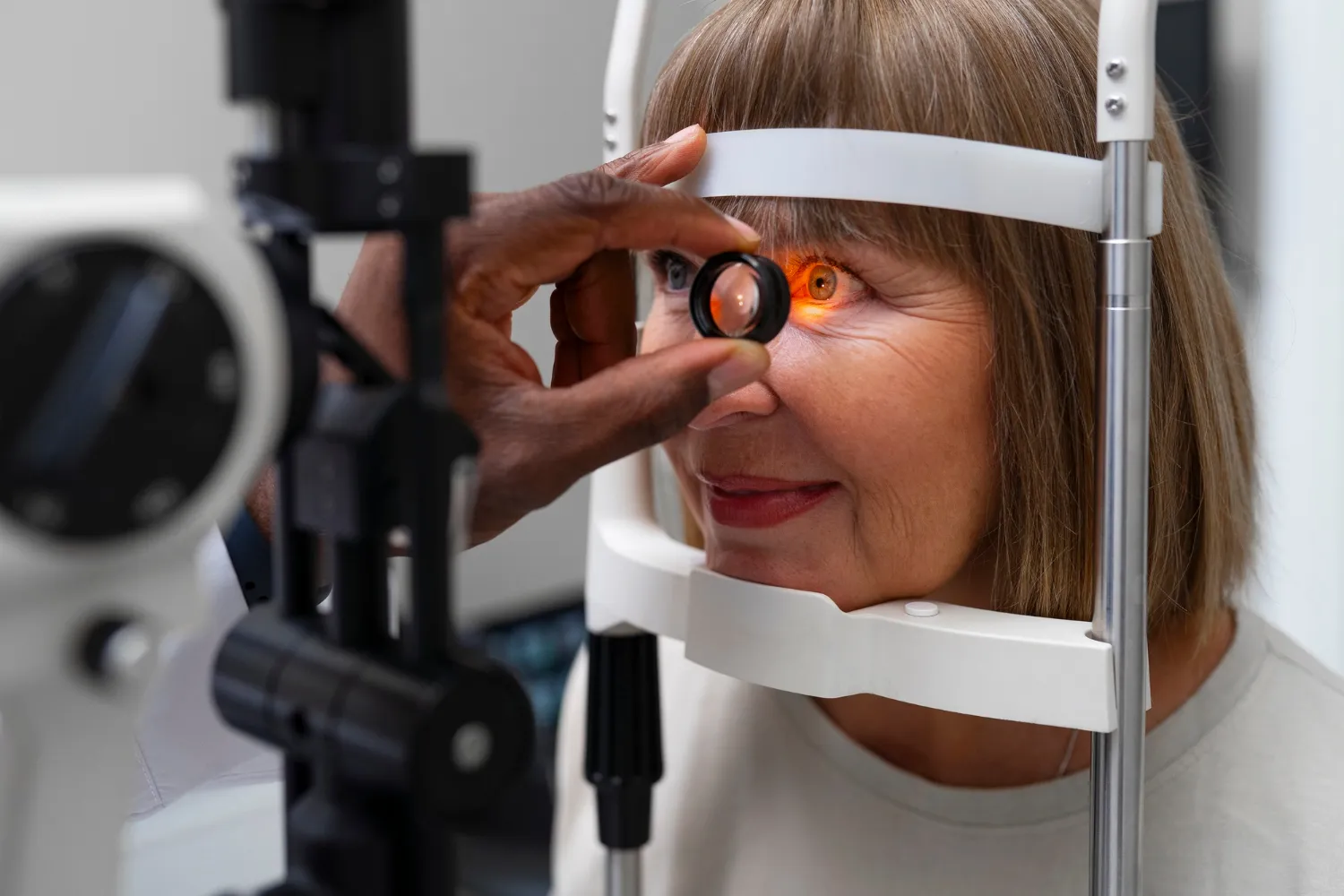
Pathological myopia, also known as degenerative myopia, is a severe form of myopia that progresses rapidly and may lead to serious complications. This condition is characterized by significant structural changes in the eyeball and requires strict ophthalmological monitoring, as well as a complex and individualized treatment plan.
Identifying pathological myopia
Diagnosis of pathological myopia is based on assessing specific clinical signs, such as high prescriptions (usually above -6 diopters), changes in the fundus and rapid progression of myopia. The ophthalmologist will perform a detailed clinical examination to distinguish this type of myopia from milder forms. In children, it is important to monitor its progression carefully.
Warning signs and monitoring
Clinical warning signs include: a sudden decrease in visual acuity, the appearance of light “flashes” or “floaters” (black spots in the visual field), and image distortion. Regular monitoring through complete eye examinations, including optical coherence tomography (OCT), is crucial for early detection of retinal complications.
Treatment options and periodic evaluation
Management of pathological myopia focuses on slowing disease progression and treating associated complications. Therapeutic options may include laser treatments to repair retinal tears, intravitreal injections to treat choroidal neovascularization and, in some cases, surgery. Periodic evaluation by an ophthalmologist is essential for preventing complications and determining the optimal time for therapeutic intervention.
Relevant investigations (axial length, topography)

To determine the exact type of myopia and assess general eye health, the ophthalmologist may recommend a series of investigations. These tests help identify structural and functional changes in the eyeball, thereby guiding the choice of optimal treatment and monitoring disease progression. These investigations are important for both axial and refractive myopia.
Tests for assessing axial myopia
Assessment of axial myopia includes measuring the axial length of the eyeball using optical biometry or ultrasound. This test is essential for determining the degree of eyeball elongation and monitoring myopia progression in children, helping ensure the correct fitting of glasses or lenses.
The importance of corneal topography
Corneal topography is a non-invasive imaging investigation that allows detailed mapping of the corneal surface. It is particularly useful for identifying astigmatism and other corneal irregularities that may contribute to refractive myopia. This information is essential for planning refractive surgery.
Precisely diagnosing the type of myopia
Combining the results of advanced ophthalmological investigations, such as ocular biometry, corneal topography and fundus examination, allows the ophthalmologist to establish a precise diagnosis of the type of myopia. This precise diagnosis is essential for choosing the most appropriate correction strategy and monitoring changes in vision.
Myopia correction and monitoring its progression
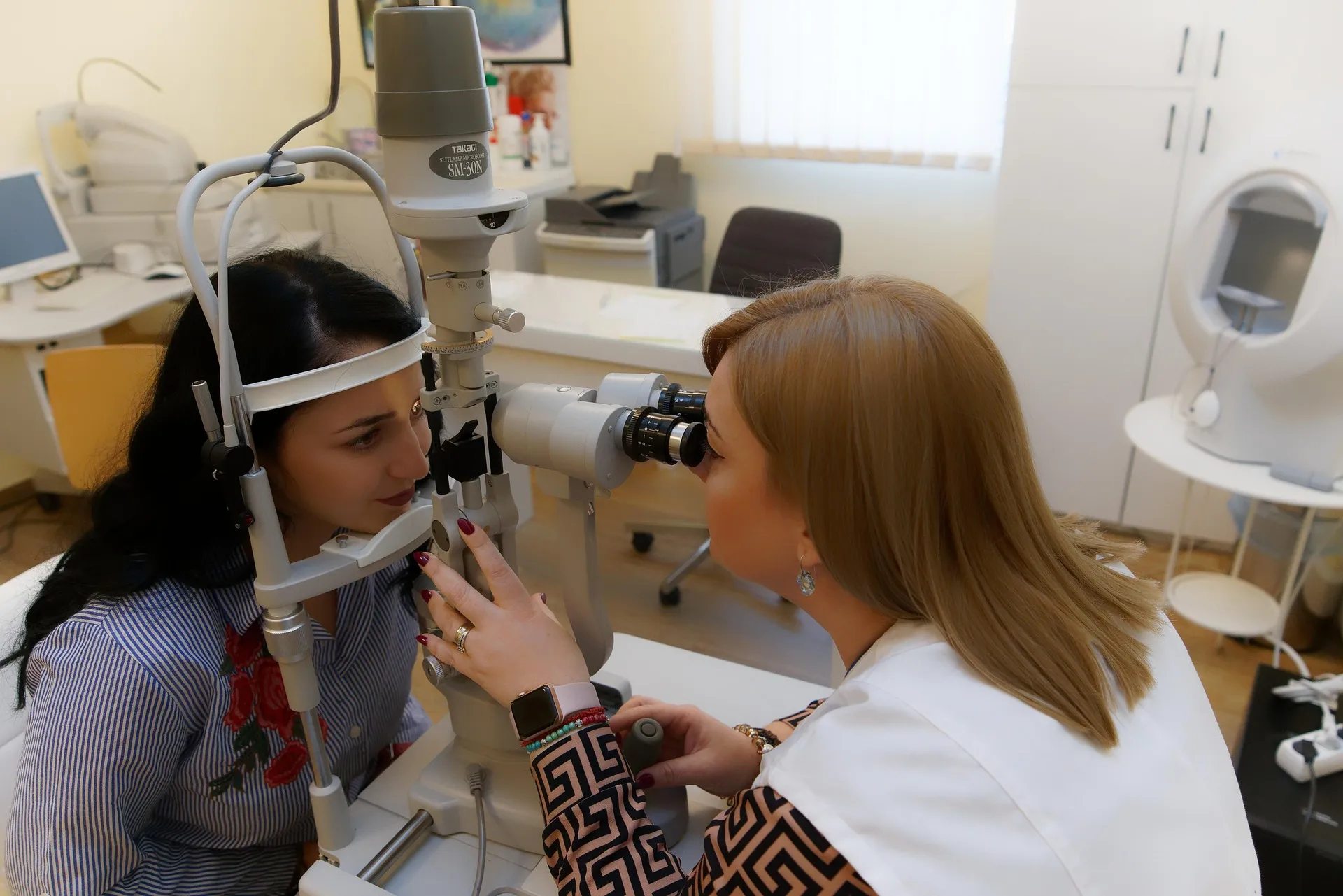
Correcting myopia and monitoring its progression are essential for maintaining clear vision and preventing ocular complications. Multiple correction options are available, and choosing the most suitable one depends on the type and degree of myopia, as well as the individual patient’s preferences. Optical correction with glasses or contact lenses is the standard treatment in most cases.
Myopia correction: available options
For myopia correction, glasses or contact lenses with diverging lenses are available; they allow light to focus directly on the retina, thereby restoring clear distance vision. Surgical options such as LASIK or PRK also exist and reshape the cornea to correct the refractive error.
Monitoring myopia progression
Monitoring myopia progression involves regular visits to the ophthalmologist to track changes in the prescription and assess eye health. In children with progressive myopia, special lenses or medications may be used to slow progression.
Recommendations for regular consultations
Regular ophthalmological consultations are essential for early detection of myopia and other eye conditions, helping maintain visual health and prevent long-term complications. It is recommended that all children undergo a complete eye examination before starting school, and that adults have periodic check-ups, especially those with risk factors for myopia or other vision problems.
Ask the pharmacist

The pharmacist can provide valuable information about available products intended for myopia correction and maintaining eye health. The pharmacist can also offer advice on the correct use of glasses or contact lenses and may recommend dietary supplements for maintaining eye health.
What to ask when visiting the pharmacy
When speaking to the pharmacist, you may request information about different types of contact lenses and prescription glasses available, recommended lens-care solutions, and products for relieving eye discomfort. You may also request information about dietary supplements intended to support visual function and retinal protection.
Products available for correcting myopia
At the pharmacy, you can find a wide range of products for correcting myopia, including prescription glasses with different powers, disposable or reusable contact lenses, lens-cleaning and disinfecting solutions, and dietary supplements containing antioxidants and vitamins for maintaining eye health. These products support effective myopia correction and contribute to maintaining clear vision and preventing deterioration of eye health.
The pharmacist’s role in patient education
The pharmacist plays an essential role in educating and counseling patients with myopia, providing relevant information about the importance of appropriate optical correction, the correct use of glasses or contact lenses, compliance with directions for lens-care solutions to prevent eye infections, and visual hygiene measures. The pharmacist can also offer advice on preventing ocular complications and the importance of regular ophthalmological check-ups.
What you can find at the pharmacy

Products recommended for myopia
Pharmacies offer a wide range of products intended to manage myopia, from prescription glasses with predefined powers to contact-lens solutions and supplements to support eye health. It is important to read labels carefully and choose products suited to your specific needs. Remember, correction is not a cure.
What options are available
You have access to prescription glasses with appropriate powers, different types of contact lenses (daily, monthly, multifocal) and solutions for their care. You can also find dietary supplements with vitamins and antioxidants that may support eye health. These include Mioret, a supplement specially formulated to support vision, contributing to retinal protection, improved ocular circulation and maintenance of optimal visual acuity under conditions of visual stress or eye fatigue.
Consultations available at the pharmacy
Some pharmacies offer visual screening and optical counseling services for choosing glasses or contact lenses. These consultations may be useful for obtaining an initial assessment of vision and personalized recommendations, but they do not replace a complete ophthalmological consultation. To establish a correct prescription and complete diagnosis, an ophthalmological consultation is necessary and may include specialized examinations.
Discover Mioret

What is Mioret?
Mioret, produced by Inocare, is a dietary supplement specially formulated to support eye health and maintain optimal visual acuity.
Bilberry extract improves ocular circulation, protects the retina and supports visual acuity through antioxidant effects. Anthocyanosides help maintain collagen in ocular structures and normal retinal function. Rhodiola helps reduce fatigue and stress-related discomfort, while lutein supports maintaining good vision over the long term.
What does Mioret contain?
| Ingredient | Benefits |
|---|---|
| Bilberry extract (Vaccinium myrtillus) | Supports blood circulation in the eyes, contributing to maintaining visual acuity and protecting the retina. |
| Rhodiola | Helps combat fatigue and stress-related discomfort. |
| Lutein | Essential for supporting visual acuity. |
| Vitamin E | Protects eye cells against oxidative stress. |
| Zinc | Contributes to eye health by protecting cells. |
| Vitamin D | Contributes to general health through calcium and phosphorus absorption. |
Where can I find Mioret?
Mioret is available as modified-release tablets and orodispersible sachets. The product can be purchased from pharmacies throughout Romania. Do not hesitate to ask the pharmacist about this product, as it represents an excellent option for managing eye conditions, including myopia. If you have children, it is essential to learn about the types of myopia and available treatment options. Visit your local pharmacy to find out more about the eye health of you and your loved ones!
The product is a dietary supplement and must not replace a varied, balanced diet and a healthy lifestyle. Do not exceed the recommended daily dose. Keep out of the reach and sight of young children.
Frequently asked questions about types of myopia

How do I know whether myopia is axial or refractive?
A complete ophthalmological examination is necessary. The ophthalmologist will measure the axial length of the eyeball and assess the curvatures of the cornea and lens. These measurements will help identify the main cause of myopia and establish a precise diagnosis. The type of myopia cannot be determined accurately by self-examination alone. Only an ophthalmological consultation can provide a correct diagnosis. To determine whether myopia is axial or refractive, it is necessary to have an
Is correction different if astigmatism is also present?
Yes, myopia associated with astigmatism is corrected differently. Astigmatism requires special cylindrical lenses that compensate for the irregular shape of the cornea or lens. The prescribed glasses or contact lenses will include correction for both myopia and astigmatism, ensuring clear vision at all distances. A complete eye examination is essential to determine the appropriate correction.
What can I do to slow my child’s myopia progression?
To slow myopia progression in children, several strategies may be considered. These include spending more time outdoors, using special myopia-control lenses and following the ophthalmologist’s recommendations regarding visual hygiene. Consult a specialist to determine the most appropriate approach for your child’s specific situation. In children, progressive myopia may develop rapidly, requiring regular ophthalmological monitoring.
Are there alternative treatments for myopia?
Although there are no alternative treatments that cure myopia, certain practices may help manage its symptoms and slow its progression. These include eye exercises, a balanced diet and dietary supplements that support eye health. It is important to speak with an ophthalmologist before starting any alternative treatment to ensure that it is safe and effective.
Can myopia disappear on its own?
In general, myopia does not disappear on its own. Once the eye has developed myopia, it usually requires optical correction with glasses, contact lenses or surgery. In some rare cases, myopia may appear to improve with age, but this is often due to other eye changes, such as cataract development.
How does myopia affect night vision?
Myopia may affect night vision because the reduced amount of light makes it difficult to focus images correctly on the retina. People with myopia may notice reduced visual acuity and increased sensitivity to bright lights, such as car headlights. Appropriate optical correction can significantly improve night vision.