

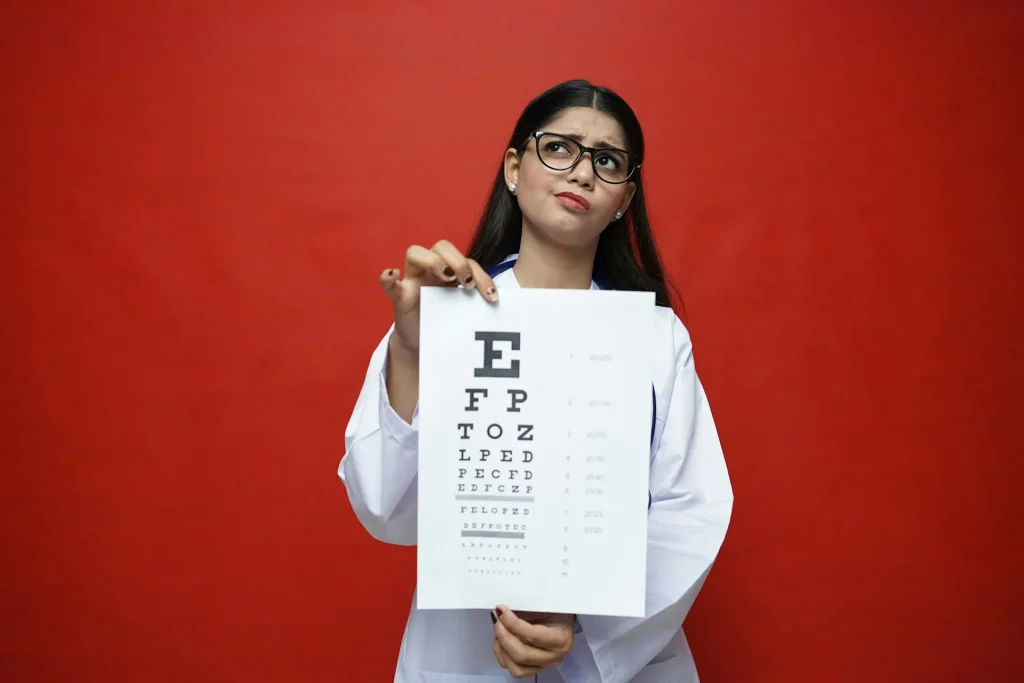
Myopia, also known as short-sightedness, is a common eye condition that affects how we see objects at a distance. It can range from mild forms requiring minimal optical correction to severe forms that may significantly affect quality of life. In this article, we will explore the degrees of myopia, their impact on daily activities and available treatment options.
Myopia
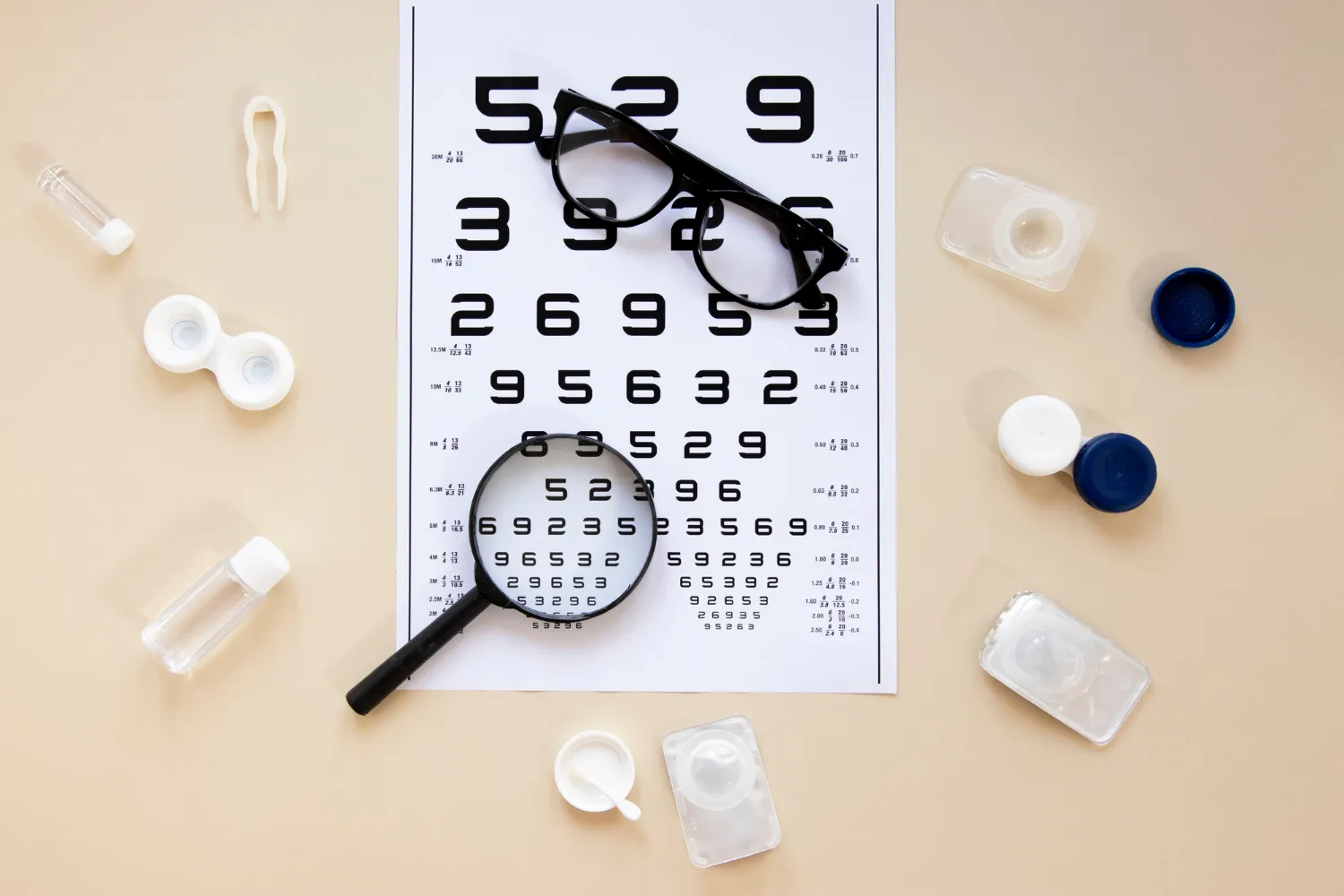
Degrees of myopia: definition
In medical terms, degrees of myopia are expressed in diopters, units measuring the eye’s refractive power. Myopia occurs when light rays focus in front of the retina rather than directly on it because of the shape of the eye or cornea. Myopia is diagnosed by an ophthalmologist following a specialist consultation, which determines its degree and recommends optical correction options such as glasses or contact lenses adapted to each patient’s needs.
Types of myopia: classification
There are several types of myopia, classified according to severity. People with high myopia may have significant difficulty clearly perceiving distant objects.
| Type of Myopia | Diopters |
|---|---|
| Low myopia | Between 0 and -3 |
| Moderate myopia | Between -3 and -6 |
| High myopia | Exceeds -6 |
Impact of diopters on vision
The impact of diopters on vision is directly proportional to the degree of myopia. Mild myopia may cause moderate blurring of distance vision, while severe myopia makes distant objects appear very unclear. Optical correction with prescription glasses or contact lenses is essential to help people with myopia see clearly and carry out daily activities without difficulty.
The real impact of myopia on everyday life

Myopia and daily activities
Myopia may significantly affect daily activities, especially for adults. Vision problems caused by myopia may make tasks such as reading road signs, following sporting events or recognizing people at a distance more difficult.
Proper diagnosis and treatment are essential for maintaining a good quality of life and preventing accidents. Periodic ophthalmological consultation plays a crucial role in this process.
Driving cars
Driving may be dangerous for people with uncorrected myopia. Optimal visual clarity is crucial for road safety, especially at night or in unfavorable weather conditions. Light halos, focusing difficulties and eye fatigue may be intensified by myopia, increasing the risk of accidents.
Appropriate glasses or contact lenses correct myopia and provide clear vision, thereby reducing these risks.
Myopia in children and school activities
Myopia in children may negatively affect school performance and general well-being. Children with myopia may have difficulty seeing the board clearly, reading or concentrating on classroom activities. Eye fatigue, lack of clarity and intense visual effort may lead to reduced attention, motivation and school results.
Parents should watch for early signs of myopia and consult an ophthalmologist for a complete assessment. Periodic reassessments are recommended.
High myopia: associated risks

Long-term risks of high myopia
People with high myopia, often defined as degrees of myopia exceeding -6 diopters, face significantly greater long-term risks than those with mild or moderate myopia. These risks include retinal complications such as retinal detachment or retinal tears. The risk of glaucoma and cataract also increases.
Regular ophthalmological monitoring is essential for early detection and management of these risks. Anxiety related to myopia progression and potential complications is common among patients with high myopia and requires counseling and informational support from a specialist.
How to tell that myopia is progressing
Progression of myopia, particularly in children and adolescents, may be identified through several clinical and behavioral signs. The most common include:
- Increasing difficulty seeing distant objects clearly.
- Needing to move excessively close to the television or board.
- Frequent eye rubbing or excessive blinking.
- Headaches or eye fatigue after visual activities.
If you notice these symptoms, it is important to consult an ophthalmologist for a complete assessment. Early evaluation may help identify and manage progressive myopia.
Periodic risk assessment
Periodic assessment of the risks associated with the degrees of myopia is crucial, especially for patients with high myopia. This assessment involves complete ophthalmological examinations, including evaluation of the retina, optic nerve and intraocular pressure. These evaluations help detect complications such as retinal detachment or glaucoma early, allowing rapid intervention. The ophthalmologist will establish the frequency of these evaluations according to the degree of myopia and other individual risk factors.
Surgical eligibility thresholds
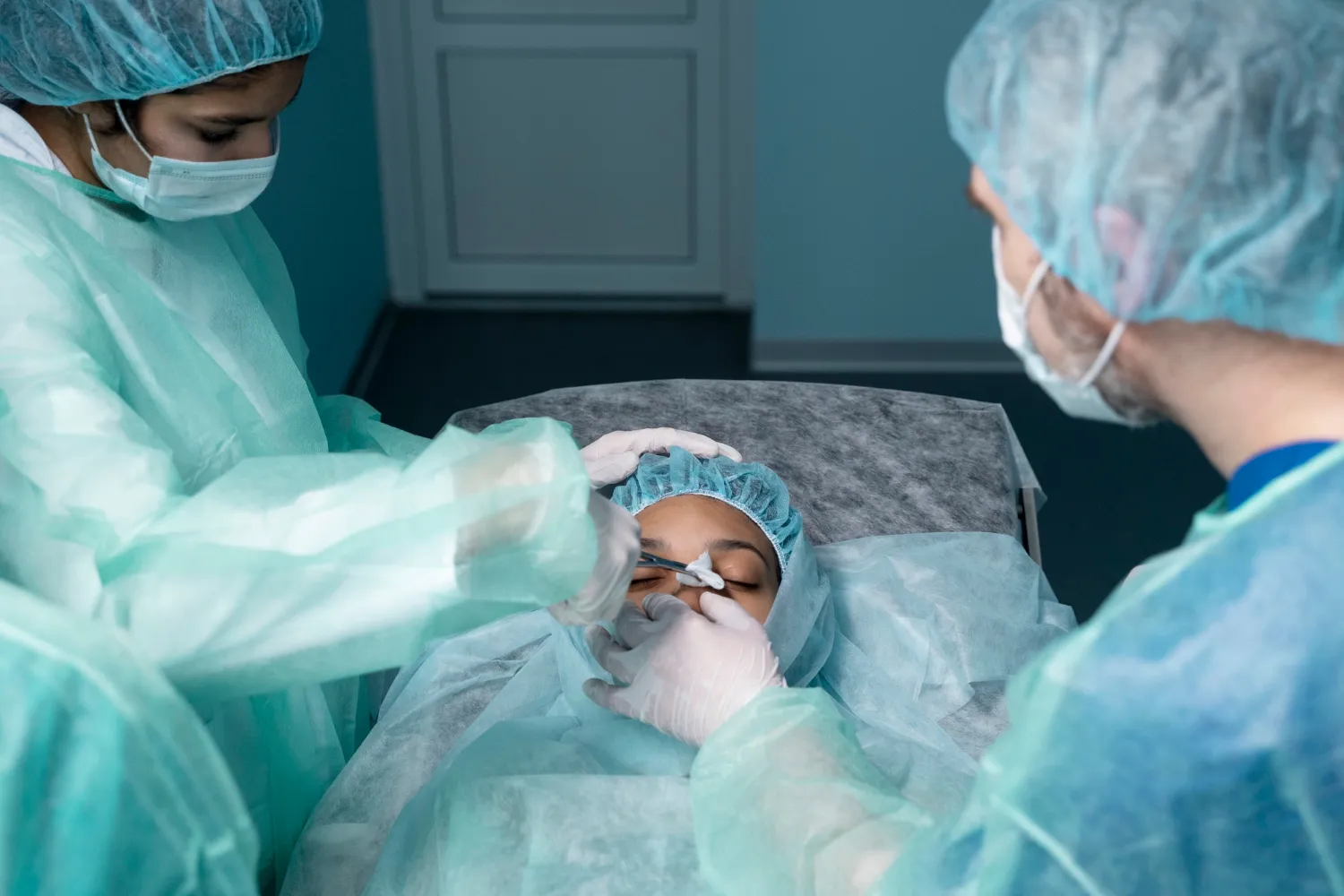
Eligibility conditions for surgery
Eligibility for refractive surgery such as LASIK or PRK depends on several important factors. To be considered a good candidate, the following aspects must be taken into account:
- Vision must have been stable for at least one year.
- The cornea must be sufficiently thick to allow laser reshaping.
The patient must also not have other eye conditions, such as keratoconus or severe dry-eye syndrome. A thorough ophthalmological evaluation is necessary to determine whether you are a suitable candidate for surgery.
Types of surgery available
Several types of surgery are available for correcting myopia. LASIK (Laser-Assisted In Situ Keratomileusis) is a common (minimally invasive) procedure involving creation of a corneal flap followed by laser reshaping of the inner corneal layer. PRK (Photorefractive Keratectomy) is another option that removes the outer corneal layer and uses a laser to reshape the surface. The choice of surgery depends on individual factors such as corneal thickness and degree of myopia.
Risks and benefits of surgery for myopia
Refractive surgery to correct myopia offers significant benefits, such as improved vision without glasses or contact lenses. However, potential risks also exist, including dry-eye syndrome, night halos, under- or overcorrection and, in rare cases, more serious complications.
It is important to discuss the risks and benefits of surgery with the ophthalmologist in order to make an informed decision. Surgery is not a cure, but a correction.
Periodic monitoring and signs that myopia is worsening

The importance of regular check-ups
Regular ophthalmological check-ups are essential for people with myopia, particularly those with high or severe myopia. These check-ups allow the ophthalmologist to monitor myopia progression, assess retinal health and detect possible complications such as retinal detachment or cataract.
Early detection of these problems may prevent severe vision loss. Periodic assessments are even more important in children, in whom myopia may progress rapidly.
What to watch for in people with myopia
In people with myopia, it is important to watch for certain signs that may indicate worsening myopia or ocular complications. These signs include increasing difficulty seeing distant objects clearly, the need to change glasses or contact lenses frequently, and the appearance of light flashes or shadows in the visual field. If these symptoms occur, it is crucial to consult an ophthalmologist for an assessment.
Reassessing the degree of myopia
Periodic reassessment of the degree of myopia is recommended, especially if vision changes or symptoms worsen. The ophthalmologist will perform a complete eye examination to determine the exact degree of myopia and check for other associated eye problems, such as astigmatism. Depending on the examination results, glasses or contact lenses may be adjusted, or other treatment options may be recommended.
Frequently asked questions about diagnosing and treating the degree of myopia

At what prescription does it become “high”?
Myopia is considered “high” when it exceeds -6 diopters. This is an important threshold because at higher degrees of myopia the risk of ocular complications such as retinal detachment, glaucoma or cataract increases significantly. People with high myopia require closer monitoring of eye health and frequent adjustment of glasses or contact lenses to maintain the best possible vision.
When does surgery make sense?
Surgery to correct myopia may be a viable option when correction with glasses or contact lenses is no longer effective or comfortable. Eligibility for surgery depends on several factors, including vision stability, corneal thickness and the absence of other eye conditions. It is also important for the patient to understand the risks and benefits of the procedure. A detailed discussion with an ophthalmologist is essential for determining whether surgery is appropriate.
What check-ups are performed for high myopia?
For high myopia, ophthalmological check-ups include a series of assessments to monitor eye health and prevent complications. These include measuring visual acuity, examining the retina with pupil dilation, measuring intraocular pressure to rule out glaucoma, assessing the optic nerve and checking lens transparency to rule out cataract.
The frequency of these check-ups will be established by the ophthalmologist according to the degree of myopia and individual risk factors. It is important to follow the recommended check-up schedule to maintain eye health.
What degree of myopia is considered severe?
Severe myopia is defined as a degree of myopia greater than -6 diopters. It may lead to increased risks of complications and requires closer monitoring.
What measures can be taken to prevent myopia from progressing?
To prevent myopia from progressing, it is recommended to avoid prolonged near activities, spend time outdoors and have regular ophthalmological check-ups.
How does myopia affect daily activities?
People with myopia may experience vision problems and difficulty performing activities requiring distance vision, such as driving or watching television, which may affect quality of life.