What is conjunctivitis?
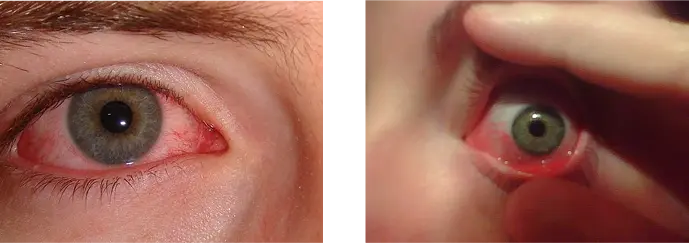
Conjunctivitis is an inflammation of the conjunctiva (red eye), the thin, transparent membrane that covers the white part of the eye (sclera) and the inside of the eyelids.
It is one of the most common eye conditions and can affect one or both eyes. It is usually not serious, but it is very bothersome and sometimes contagious (especially infectious forms).

Types of conjunctivitis
1. Infectious conjunctivitis
- Viral – highly contagious, often associated with colds;
- Bacterial – caused by bacteria such as Staphylococcus aureus or Streptococcus pneumoniae.
2. Allergic conjunctivitis
- Occurs following contact with allergens (dust, pollen, animal hair);
- It usually affects both eyes and recurs seasonally.
3. Irritant conjunctivitis
- Caused by chemical or physical factors (smoke, dust, chlorine in swimming pools, irritants).
Symptoms
• Eye redness;
• A burning, stinging, or gritty sensation in the eyes;
• Excessive tearing;
• Discharge:
- watery, in viral and allergic forms;
- purulent (yellow-green), in bacterial forms;
• Eyelid swelling;
• Severe itching (in allergic conjunctivitis);
• Sensitivity to light (photophobia).
Therapeutic approach – treatment
1. Viral conjunctivitis
• It usually resolves spontaneously within 1–2 weeks;
• The use of artificial tears and cold compresses is recommended to relieve discomfort;
• Thorough hand hygiene and avoiding touching the eyes to limit contagiousness.
2. Bacterial conjunctivitis
• The administration of antibiotic eye drops or ointments prescribed by a doctor;
• Eye hygiene is essential (cleaning secretions with sterile ophthalmic wipes).
3. Allergic conjunctivitis
• Antihistamine eye drops or mast cell stabilizers, recommended by an ophthalmologist;
• Avoiding contact with allergens;
• Cold compresses to reduce itching and inflammation.
4. Irritant conjunctivitis
• Removing the irritant;
• Washing the eyes with saline solution;
• Using artificial tears for relief.
When should you see a doctor?
• If the symptoms persist for more than a few days;
• If the discharge is abundant and purulent;
• If severe eye pain or pronounced sensitivity to light occurs;
• If your vision becomes blurred;
• In the case of young children or people with weakened immune systems.
Conclusion
Conjunctivitis is a common condition, but identifying its type is necessary to ensure appropriate treatment.
Self-medication is not recommended, especially the use of corticosteroid eye drops or antibiotics without an appropriate medical examination and a prescription suited to the type of conjunctivitis.
A simple ophthalmological consultation establishes the correct diagnosis and helps select the most appropriate solutions for rapid and safe healing.