

What is a cataract?
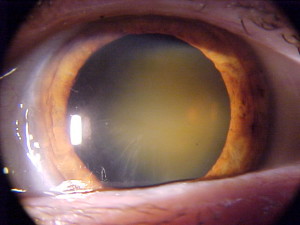
Cataract is the progressive clouding of the lens, the natural lens located behind the iris, which focuses light onto the retina.
In young people, the lens is transparent because the proteins in its composition are arranged in a way that preserves its clarity. As we age, under the influence of oxidation processes, these proteins change their structure and lose their transparency. This is how cataracts develop.
How does it progress?
Generally, age-related cataract (age-related) develops slowly; however, there are situations in which the process advances rapidly and the patient suddenly notices visual difficulties.
Statistically, cataracts are extremely common:
• they affect almost 50% of people over 65;
• the percentage exceeds 90% after the age of 75.
Without surgery, cataracts would be the leading cause of blindness after the age of 60, both in developed and less developed countries.
How does it manifest?
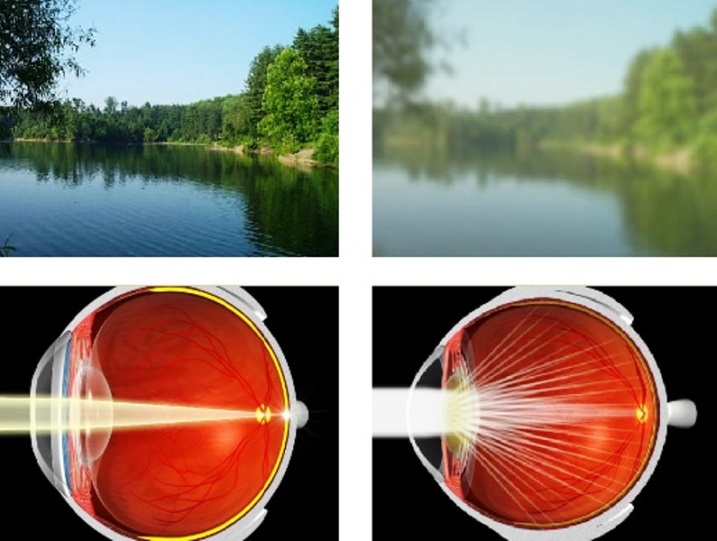
Patients describe their vision as looking through a fogged or frosted window. Symptoms include:
• blurred vision (initially intermittent, then permanent);
• unclear images, especially when objects are backlit;
• colored halos around light sources;
• reduced contrast sensitivity;
• difficulty distinguishing colors;
• poor vision in the dark and difficulty adapting to low light;
• problems driving at night;
• a feeling of eye fatigue or burning.
All these manifestations are due to the fact that light no longer passes properly through the lens and the images reach the retina distorted.
Types of cataract
Although aging is the main cause, cataracts can also occur in other contexts:
• congenital cataract – present at birth or during the first months of life;
• cataract secondary to eye diseases (uveitis, glaucoma);
• cataract associated with systemic diseases (diabetes mellitus);
• drug-induced cataract (prolonged corticosteroid therapy);
• post-radiation cataract (ionizing radiation, microwaves, etc.).
Is there medical treatment?
No. To date, there are no medications that can cure cataracts. Some therapies can slow its progression, such as eye drops with potent antioxidant action that act at the level of the lens, but the only way to correct it is through surgery.
Cataract surgery
The procedure involves removing the clouded lens and replacing it with an artificial lens. It is a modern, safe, and highly effective procedure, with rapid recovery.
In some cases, after surgery, clouding of the posterior lens capsule may develop – a phenomenon known as “secondary cataract.” This does not require another surgical procedure; it can be corrected simply and quickly using a YAG laser.
The main message about cataracts:
Cataracts are a common disease, but they should not be regarded as a sentence to blindness. Modern surgery offers safe and effective solutions, restoring clear vision and significantly improving patients’ quality of life, while eye drops with potent antioxidant action that act at the level of the lens are the solution for slowing the progression of cataracts.
