What is seasonal allergic conjunctivitis?
- Seasonal allergic conjunctivitis is an inflammation of the conjunctiva – the thin, transparent membrane that covers the white part of the eye and the inner surface of the eyelids – caused by an allergic reaction to substances present in the surrounding environment, such as pollen, dust, or mold spores.
- It commonly occurs in spring and summer, when the concentration of pollen in the air is high, and often affects people with an allergic predisposition or allergic rhinitis.

Causes of allergic conjunctivitis:
- Seasonal allergic conjunctivitis is caused by contact between the eyes and allergens that trigger an exaggerated immune response. The most common triggers include:
- Pollen from grass, trees, or weeds (Ragweed);
- Animal hair;
- House dust and dust mites;
- Mold spores;
- Certain cosmetics or contact lens cleaning solutions.
Symptoms of allergic conjunctivitis:
- Symptoms usually appear suddenly, affect both eyes, and may vary in intensity depending on exposure to allergens. The most common manifestations include:
- Intense itching of the eyes;
- Redness and swelling of the conjunctiva (hyperemia);
- Excessive tearing;
- A burning sensation or foreign body sensation;
- Watery, clear discharge;
- Increased sensitivity to light (photophobia);
- Sometimes, a stuffy nose or repeated sneezing – when associated with allergic rhinitis.

Management of seasonal allergic conjunctivitis:
Seasonal allergic conjunctivitis can be managed effectively, and symptoms can be reduced through a combination of preventive measures, local treatment, and specific medication, as recommended by an ophthalmologist or allergist.
1. Avoiding contact with allergens:
- Avoiding outdoor exposure during periods of high pollen concentration;
- Keeping windows closed during the season with high pollen concentration;
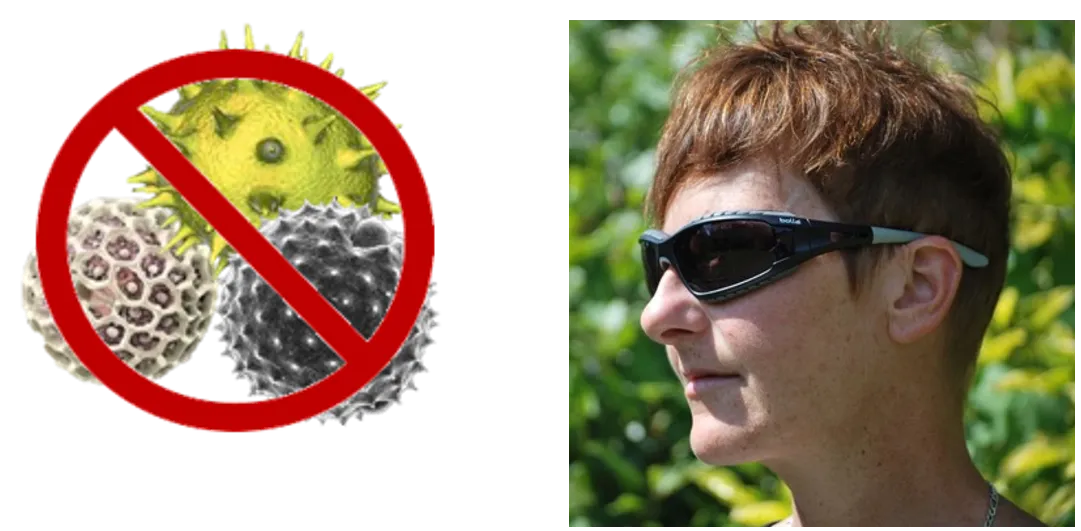
- Using sunglasses to protect the eyes;
- Frequently washing the face and hands after outdoor activities;
- Using air purifiers indoors.
2. Eye hygiene:
- Washing the eyes with saline solution or artificial tears to remove allergens;
- Avoiding rubbing the eyes, which can worsen the inflammation;
- In mild cases, cold compresses applied locally may help soothe the burning and itching sensation.
3. Drug treatment:
Treatment is recommended by a doctor and may include:
a) Topical antihistamines (eye drops):
- They block the receptor for histamine, the substance responsible for allergic reactions.
- They are used to treat acute symptoms of allergic conjunctivitis, such as itching and redness;
b) Mast cell stabilizers or mast cell degranulation inhibitors (eye drops):
- They do not stop the allergic reaction once it has begun, but they may prevent it from worsening.
- They prevent allergic reactions by blocking the release of histamines by mast cells, as well as the release of inflammatory substances;
c) Dual-action agents (antihistamines + mast cell stabilizers):
- Clinically superior to any agent used as monotherapy due to more rapid improvement of symptoms/signs and better tolerability.
- Considered first-line treatment for allergic conjunctivitis.
- Provides an immediate and prophylactic effect, as well as inhibition of eosinophil migration and other inflammatory mediators.
d) Combined antihistamine + anti-inflammatory eye drops, for moderate cases;
e) Oral antihistamines, when conjunctivitis is accompanied by other allergic manifestations;
f) In severe cases, the doctor may prescribe corticosteroid eye drops, for short periods and under strict supervision.

4. Lifestyle changes
- Avoiding irritating cosmetics around the eyes;
- Daily cleaning of the eyelids, especially during the warm season;
- Using contact lenses only after symptoms have subsided, with hypoallergenic solutions;
- Maintaining rigorous hand and face hygiene.
Conclusion.
Seasonal allergic conjunctivitis is a common eye condition, but it can be controlled through preventive measures, appropriate local treatment, and medical monitoring.
Identifying and avoiding allergens, together with the correct use of antiallergic eye drops, contributes significantly to maintaining ocular comfort and preventing recurrences.
An ophthalmological consultation is essential to confirm the diagnosis and choose the appropriate treatment for each patient.