What is blepharitis?
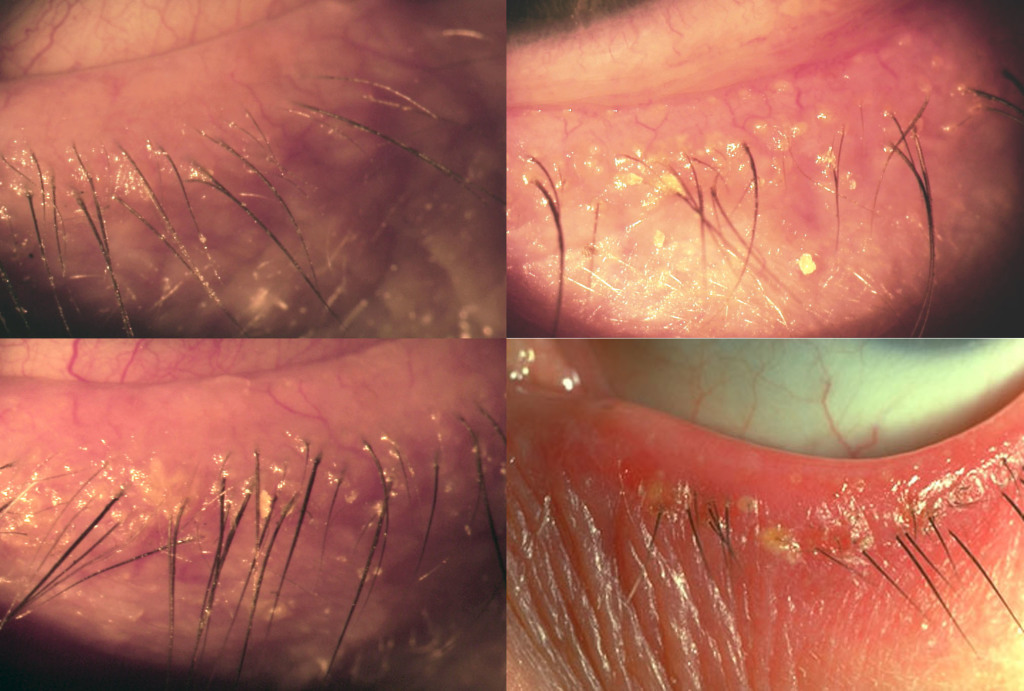
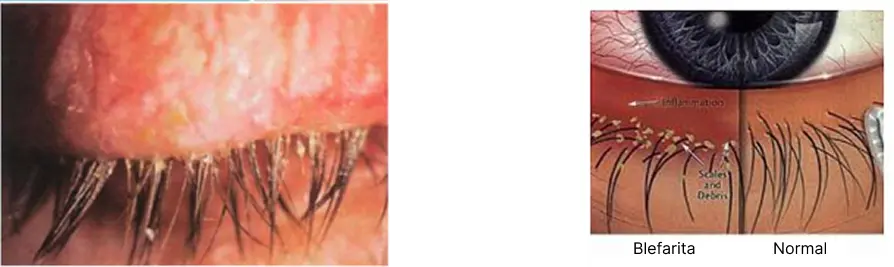
Blepharitis is a chronic inflammation of the eyelid margins, meaning the area where the eyelashes grow and where the sebaceous (Meibomian) glands open. It is a fairly common but often recurrent condition that can cause persistent eye discomfort.
It usually affects both eyes and may be anterior (affecting the skin at the base of the eyelashes) or posterior (involving the Meibomian glands, which are responsible for the lipid secretion of the tear film). Sometimes, the two forms overlap.
Causes
Blepharitis is promoted by several factors:
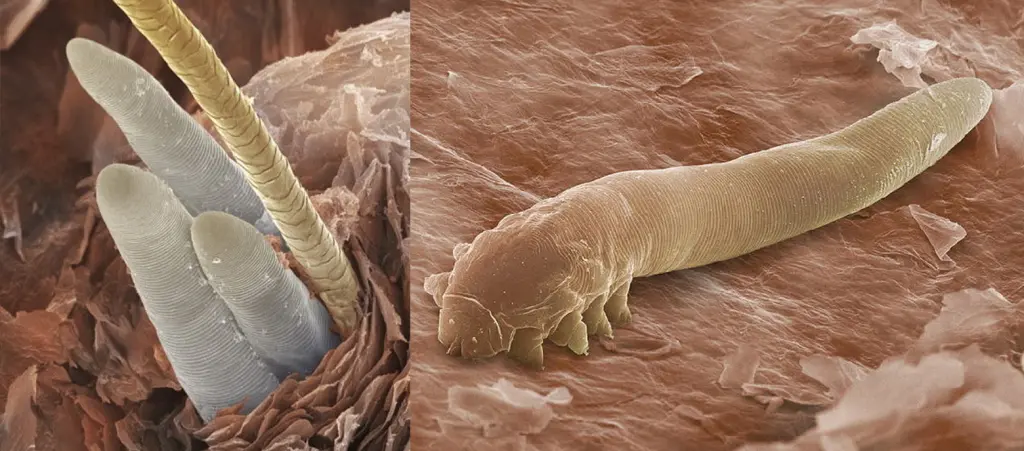
• Bacterial infections (especially with Staphylococcus aureus) or parasitic (Demodex folliculorum) infections;
• Meibomian gland dysfunction (abnormal oily secretion);
• Seborrhea or seborrheic dermatitis;
• Ocular rosacea;
• Allergies or sensitivity to cosmetics;
• Contact lens wear;
• Poor eyelid hygiene.
Symptoms
The most common manifestations are:
• redness and swelling of the eyelid margins;
• a burning or itching sensation;
• excessive tearing or, paradoxically, dry eyes;
• sticky discharge, especially in the morning;
• eyelashes that fall out or grow abnormally;
• a foreign body sensation or feeling of sand in the eyes;
• sensitivity to light.
In chronic cases, blepharitis can affect tear-film quality and contribute to dry eye syndrome.
How blepharitis is managed - treatment of eyelid inflammation
Blepharitis has no “definitive cure,” but it can be kept under control through a combination of hygiene, local measures, and treatments recommended by an ophthalmologist.
1. Eyelid hygiene (the most important step)
• Warm compresses applied to the eyelids for 5–10 minutes to soften secretions;
• Gentle cleaning of the eyelid margins with special wipes, cotton swabs, or solutions recommended by a doctor;
• Avoiding rubbing the eyes and using irritating cosmetics.
2. Ophthalmic drops or ointments
• Artificial tears for hydration and reducing discomfort;
• Therapeutic ointments or gels to control blepharitis;
• Antibiotic drops (for bacterial forms – as recommended by the ophthalmologist);
• Anti-inflammatory drops or ointments during more severe episodes.
3. Oral medication (in selected cases)
• Oral antibiotics (on the ophthalmologist’s recommendation) for chronic blepharitis associated with rosacea.
4. Lifestyle changes
• Managing seborrheic dermatitis or rosacea;
• Avoiding irritating environmental factors (smoke, dust, dry air);
• Controlling dandruff and dust mites;
• Adding foods rich in Omega-3 to the diet when blepharitis is associated with rosacea.
Conclusion
Blepharitis is a common but chronic and recurrent eye condition. The key to keeping it under control is daily eyelid hygiene, supplemented when necessary by drops or ointments/gels prescribed by a doctor.
An ophthalmological consultation is essential for diagnosis and choosing the best solutions, especially if symptoms persist or affect vision.