What is Glaucoma?
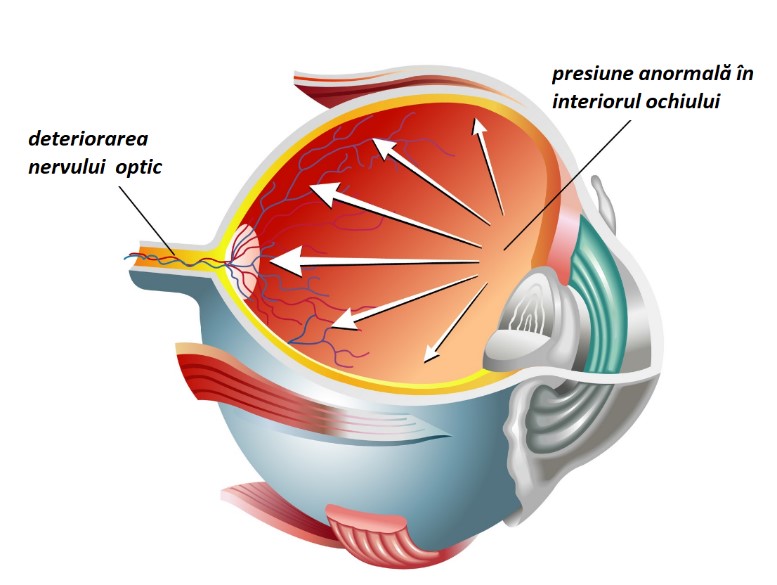
Glaucoma is an eye condition that affects the optic nerve—the structure that transmits visual information from the retina to the brain, creating a risk of blindness.
In most cases, the disease occurs because intraocular pressure (eye pressure) rises above normal values, that is, above 20–21 mmHg. This increase exerts constant pressure on the optic disc (the area through which nerve fibers leave the eye to form the optic nerve) and, consequently, on the optic nerve. Over time, this process leads to irreversible damage to the nerve fibers.
Main Types of Glaucoma
There are several forms of glaucoma, including:
• open-angle glaucoma
• angle-closure glaucoma
• normal-tension glaucoma
• congenital glaucoma (present at birth)
Although they differ in how they develop, they all have the same final outcome if left untreated: progressive and irreversible damage to the optic nerve.
Progression and Symptoms
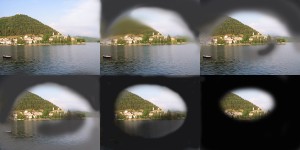
The consequence of glaucoma is a gradual narrowing of the visual field. The disease begins by affecting the peripheral areas and, in advanced stages, may also compromise central vision.
Blind spots (scotomas) are noticed by patients only in advanced stages, when optic nerve damage is already significant and irreversible. For this reason, glaucoma is known as the “silent thief of sight”.
The Importance of Regular Checkups
How Intraocular Pressure Increases
Measuring Eye Pressure
Characteristics of the Different Forms of Glaucoma
- Open-Angle Glaucoma – occurs when the trabecular system (the drainage channel for aqueous humor) becomes less efficient. In some rare cases, the cause may be excessive production of aqueous humor.
- Angle-Closure Glaucoma – the internal structure of the eye causes the drainage angle to become narrowed or blocked, preventing fluid from being eliminated.
- Normal-Tension Glaucoma – occurs in people who are more sensitive to intraocular pressure, in whom the optic nerve becomes damaged even though measured values are normal.
- Exceptions – some people have elevated intraocular pressure but never develop glaucoma.
Glaucoma Treatment:
- First-line treatment: eye drops that reduce the production of or increase the elimination of aqueous humor.
- Second-line treatment: when medications are not sufficient, laser procedures or surgery may be recommended to improve drainage and reduce eye pressure.